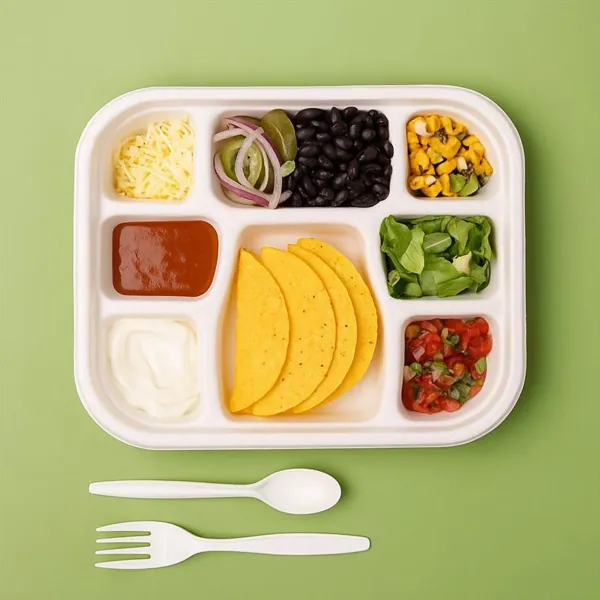
Bagasse School Meal Tray
School meal trays have a specification nobody else has to meet.
View tray & get pricing →Custom food packaging · US · UK · Canada · Australia
State · United States
Michigan has an unusually large contract and institutional catering sector — feeding workforces, campuses and institutions at scale — and that sector needs a different kind of packaging from a restaurant. Compartment trays, servery-compatible footprints and consistency across sites matter more than presentation.
The other factor is climate. Packaging moving between heated interiors and a genuinely cold exterior deals with condensation regularly, and that affects both the specification and how stock should be stored.
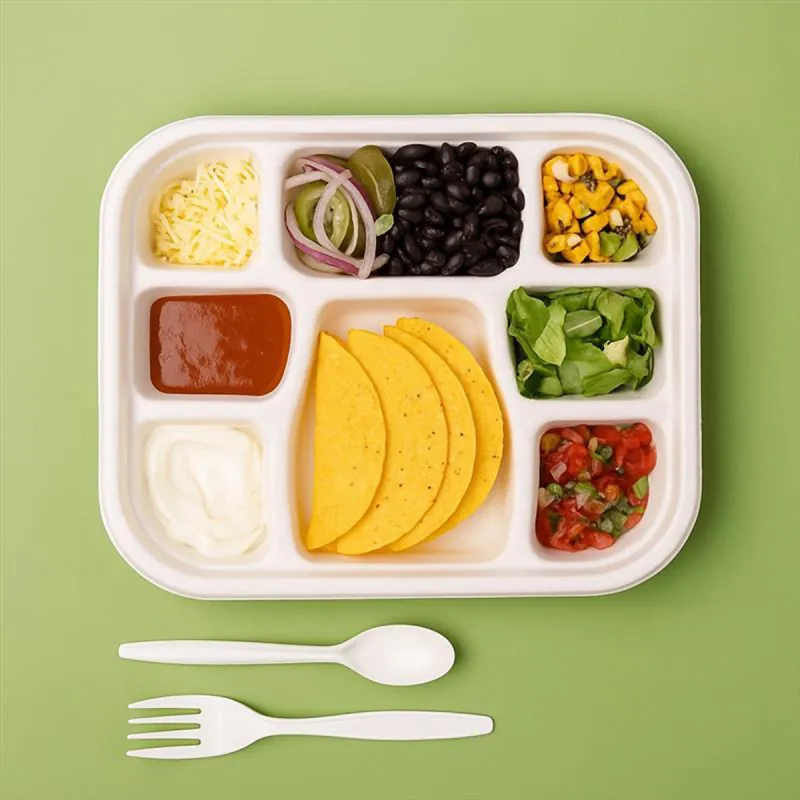
Tell us the tray, the quantity and where it is going. Freight is quoted to your address rather than added later.
Contract catering specifications start from the fixtures rather than the food. Servery rail spacing, trolley shelf dimensions and the tray return aperture are fixed and expensive to change, so the tray is designed inward from those three numbers.
Then the compartment layout is designed around the most demanding service in the menu cycle, not the average one. A layout that works for a typical day and fails once a fortnight is visible to every person in the queue on the day it fails.
Packaging moving from a cold vehicle into a warm kitchen — or the reverse — collects moisture. Moisture-resistant construction is relevant for a wider range of products here than in a milder climate.
Board in an unheated store room through a Michigan winter will take on moisture and lose stiffness. Keep it in cartons and in a conditioned space where possible.
Tell us about access constraints at quote stage — it affects how we pack and ship, and it is easier to plan than to solve on the day.
Outdoor and event trading is compressed into a short season here, which should shape how packaging is ordered and stored.
Chosen against the requirements described above, not as a general catalogue listing.
School meal trays have a specification nobody else has to meet.
View tray & get pricing →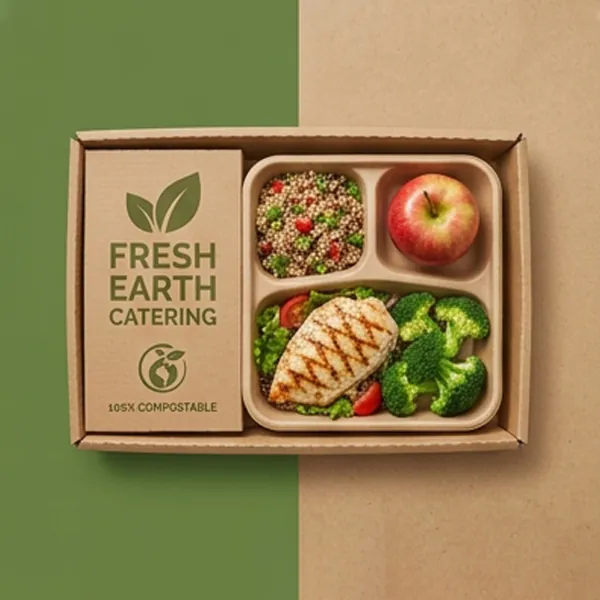
A cafeteria tray carries an entire meal — main, sides, dessert, cutlery, sometimes a drink — from a servery to a table, held by one person who is also c…
View tray & get pricing →
The lidded compartment tray is the format that meal-prep businesses, bento services and premium takeaway have converged on.
View tray & get pricing →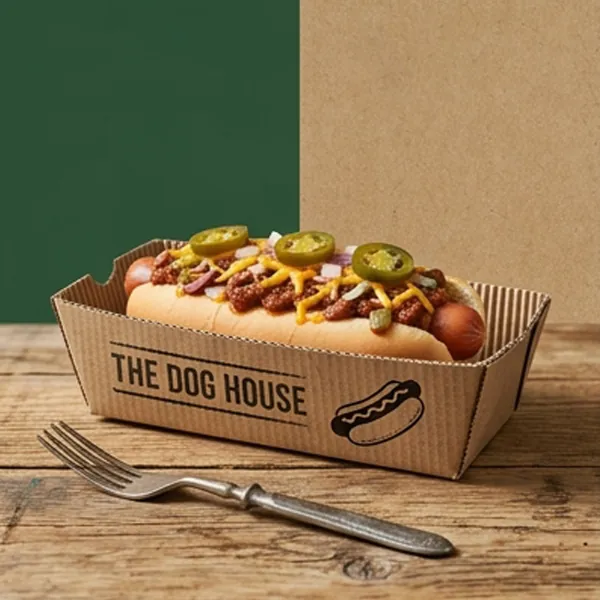
The hot dog tray is one of the oldest shapes in food packaging and it has barely changed, because it does not need to.
View tray & get pricing →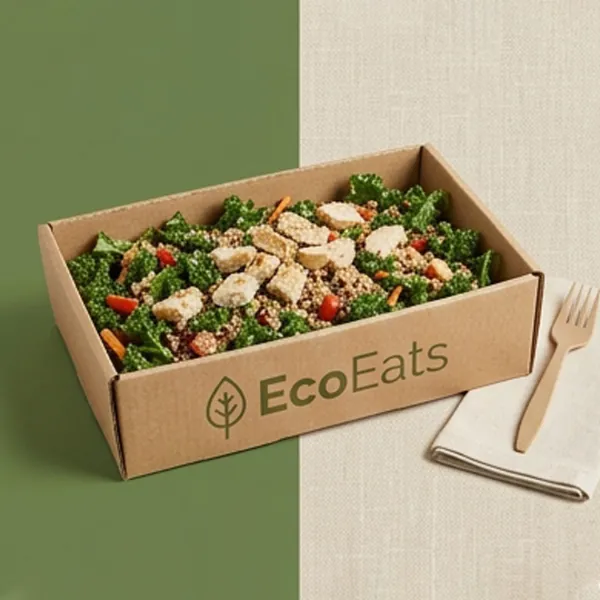
The lunch tray sits between a takeaway container and a proper meal tray.
View tray & get pricing →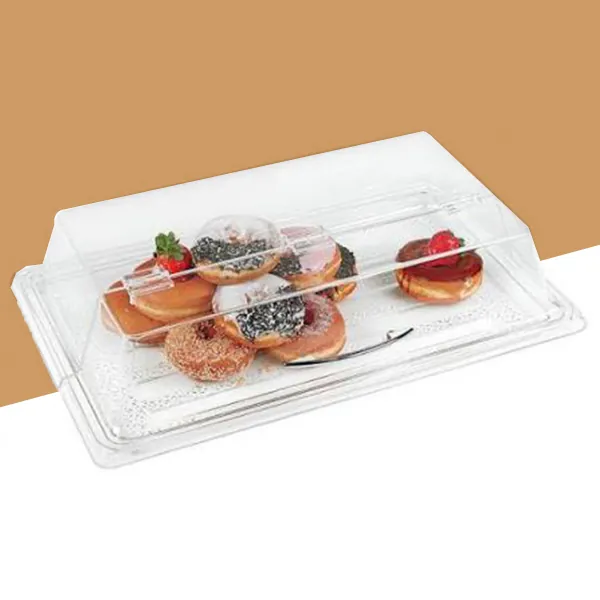
A bakery display tray has to do two jobs that pull in opposite directions.
View tray & get pricing →From the fixtures inward. Measure the servery rail spacing, the trolley shelf and the tray return, then design the compartments within that footprint. Those fixtures are expensive to change and the tray is not.
Movement between cold and warm environments produces condensation, so moisture-resistant construction is relevant for more products here than in a milder climate. Storage in unheated space also softens board over a winter.
Enough for the most demanding service in your menu cycle rather than the average day. Four is common — a main, two sides and a dessert — but look at your full cycle before deciding.
Yes. Send one and we will match the footprint and compartment layout so your servery, trolleys and tray return all continue to work unchanged.
No — genuinely different products with different materials and economics. Returnable trays have to survive washing and repeated handling. Decide which you need before seeking pricing.
Yes, and the formats are standard metropolitan ones: delivery packaging, clamshells, fry scoops and hot dog trays. The coney trade in particular is a substantial local category.
Send the specification, the quantity and the delivery address. We come back with unit price, tooling if any, freight and a real production date.