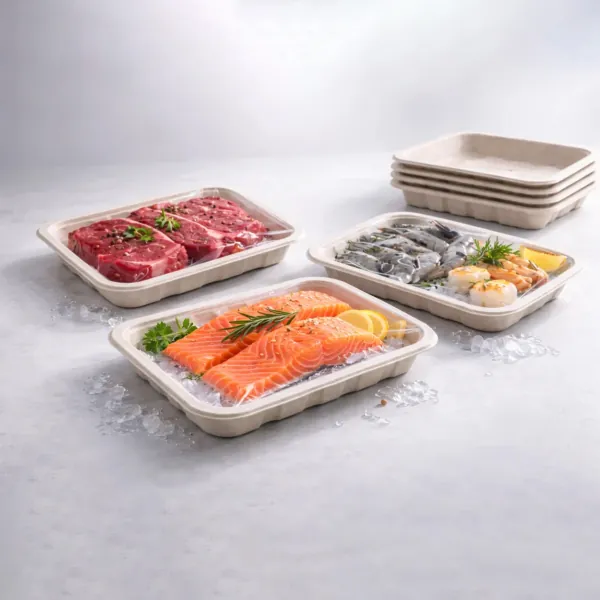
Moulded Pulp Meat Tray
The whole argument for a fibre meat tray is what happens to the liquid.
View tray & get pricing →Custom food packaging · US · UK · Canada · Australia
Industry guide
Retail food packaging has a requirement that food service packaging does not: it has to work unattended. There is no member of staff to explain the product, adjust the presentation or answer a question. The pack does all of it, from a shelf, in about four seconds.
That makes visibility, labelling and shelf behaviour as important as the physical protection, and it is why so much retail food packaging looks the way it does.
Describe the operation and roughly how many trays you get through. We come back with the formats that fit, with pricing — usually within one working day.
In roughly the order a buyer will ask about them.
How many facings across the shelf, how deep, how many high. Get this wrong and the listing is refused before anyone looks at the food.
Allergens, storage, dates, weight, barcode. Requirements differ between the US, UK, Canada and Australia, and the panel has to be designed in rather than added.
A fitted lid does not support a multi-day shelf life. Film sealing does, and it requires a rim profile matched to your equipment.
Retail food is bought on appearance. Condensation, a crushed arrangement or a fogged lid all cost sales directly.
Staff stack, front and rotate packs many times a day. A pack that does not stack cleanly gets damaged.
| Category | Format |
|---|---|
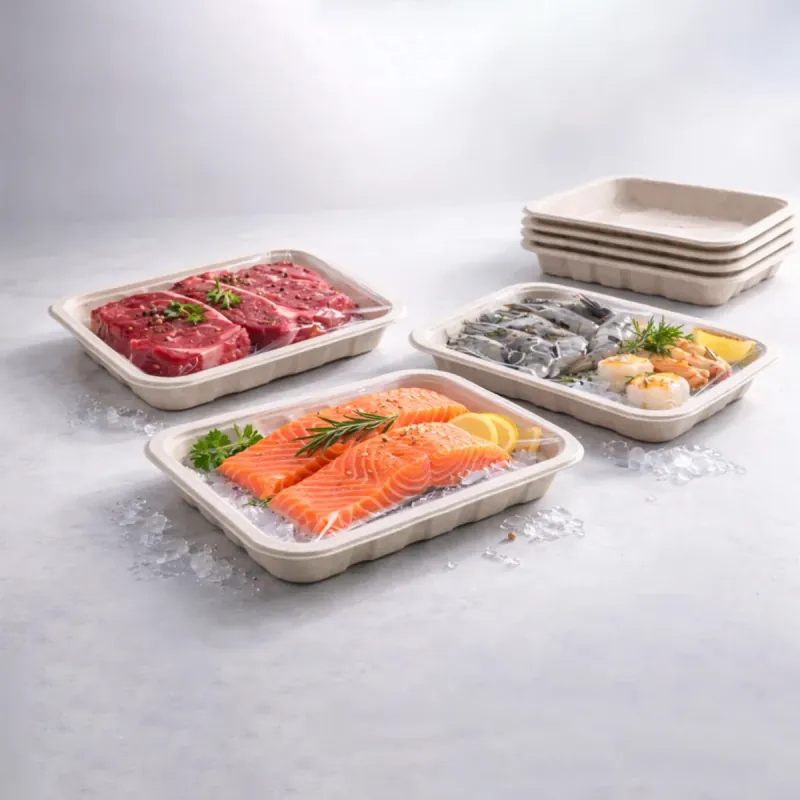
| Meat and fish | Absorbent fibre tray with a sealed film lid |
| Sushi and food-to-go | Kraft tray with a clear lid |
| Cheese and grazing packs | Divided tray with compartments |
| Party and sharing food | Divided party tray with a clear lid |
| Produce | Pocketed fibre tray |
| Eggs | Fibre carton with a printed band |
Before you commission artwork: confirm the legal information panel requirements for every market you sell into. Allergen declarations, date-marking conventions and weight statements differ between the United States, United Kingdom, Canada and Australia, and a panel designed for one market frequently does not satisfy another.
Picked for the specific demands described above rather than as a general list.
The whole argument for a fibre meat tray is what happens to the liquid.
View tray & get pricing →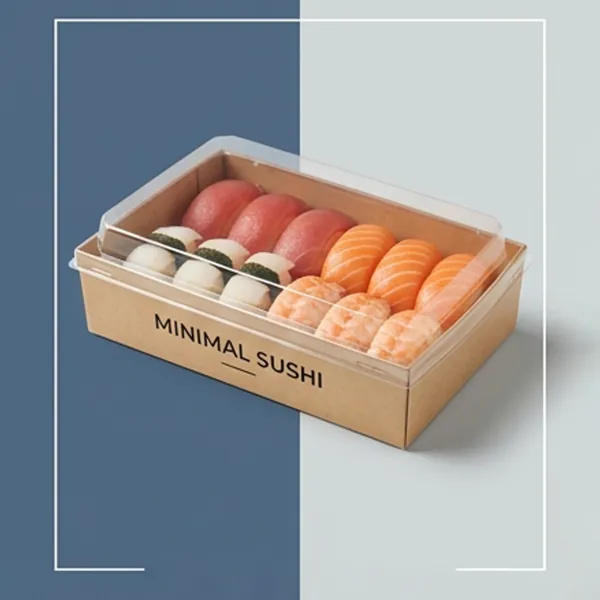
This is the retail sushi pack: a kraft base sized to a specific piece count, with a clear lid so the customer can see exactly what they are buying.
View tray & get pricing →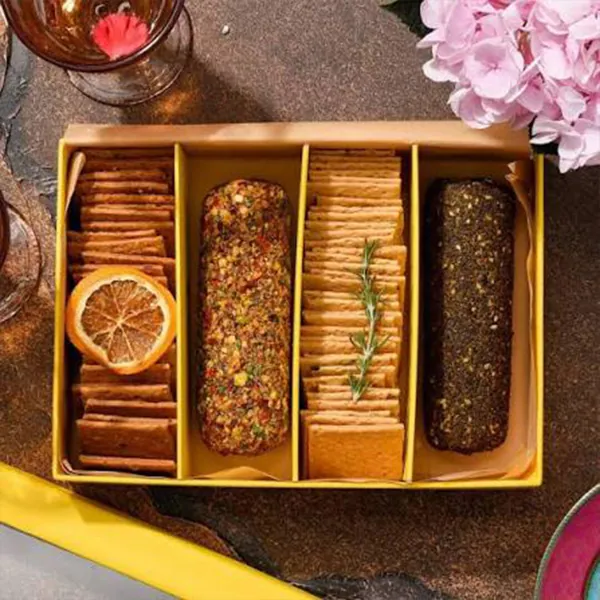
The cheese and cracker tray has one specific enemy: moisture.
View tray & get pricing →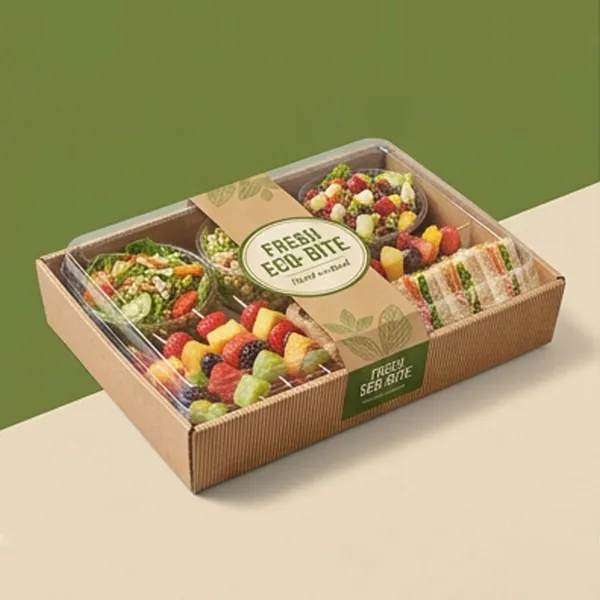
A party tray is a divided platter under a clear lid.
View tray & get pricing →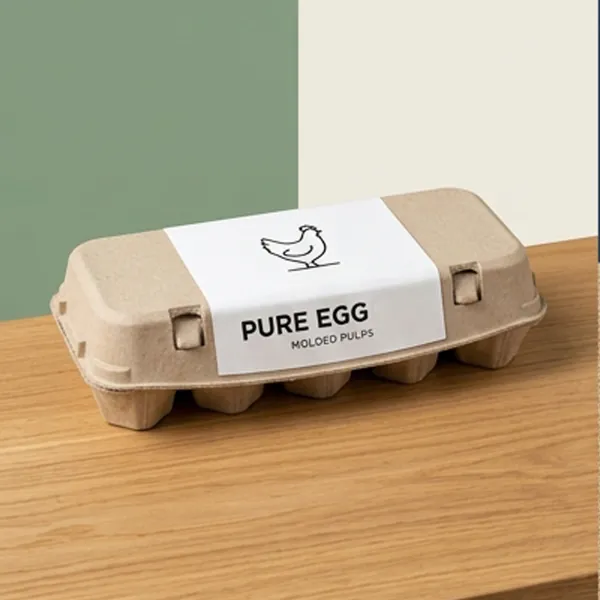
An egg carton is the retail end of the same technology as the wholesale flat, with two additions: a lid that closes properly and a surface that has to s…
View tray & get pricing →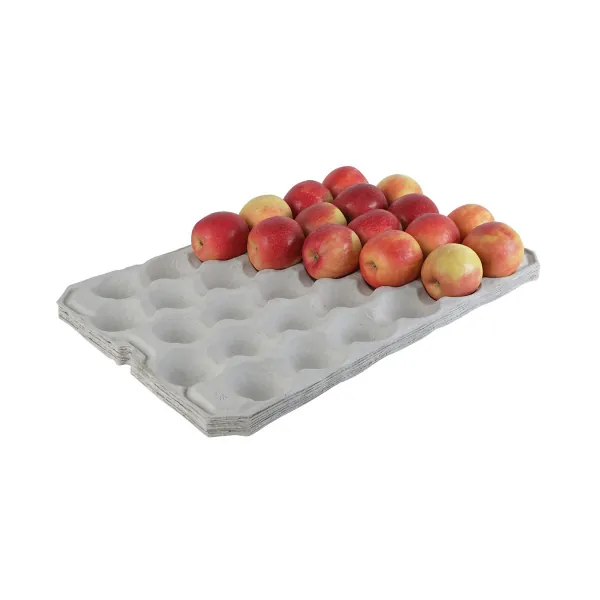
Fixture fit — how many facings across the shelf, how deep and how high. A pack that does not fit the fixture gets refused before anyone considers the food, and the shelf is not going to change.
For any product with a stated multi-day shelf life, almost certainly. A fitted lid contains and protects but does not seal. Film sealing needs a rim profile matched to your equipment, so it has to be designed in from the start.
They absorb released purge and, with a ribbed base, lift the cut clear of it. The customer sees a drier, fresher-looking product even though the amount of liquid is the same as it would be on a flat plastic tray.
Pack fully chilled — most heavy fogging comes from packing before the product has cooled. Where it persists on a line, anti-fog lid material is available and effective, at extra cost.
On a flat panel with a clear quiet zone around it, never across a fold or a curve. We mark the label area on the dieline so it stays flat and scannable.
On board, yes, and it looks better. On fibre, printing is limited and an applied label is the practical route — which is convenient, since the label also has to carry the legal information.
Almost always. Tell us the stack height and the lid will be specified to carry the load rather than pressing on the product below. Staff handle packs many times a day and a pack that does not stack gets damaged.
Structurally yes; the labelling usually differs. The most practical approach is one structure with market-specific label artwork, which shares tooling and keeps the packaging line simple.
Send the food, the volumes and the country you take delivery in. We reply with formats, material options and a full quote including freight.