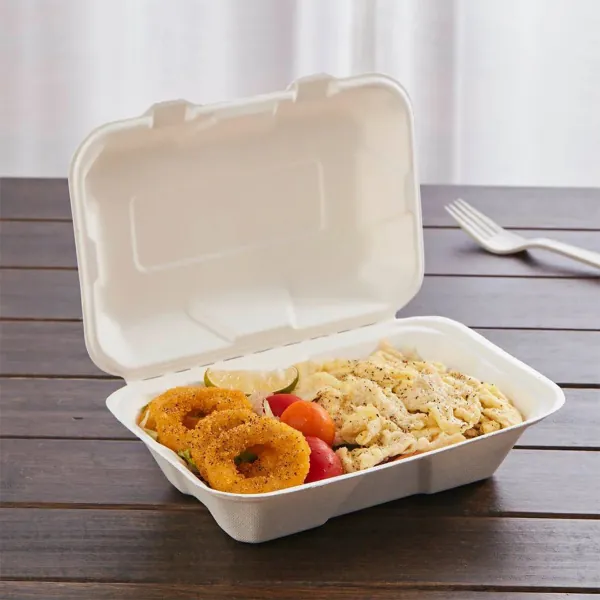
Compostable Food Tray
Moulded fibre trays are formed by pressing wet pulp against a heated tool.
View tray & get pricing →Custom food packaging · US · UK · Canada · Australia
Food tray category — 6 trays
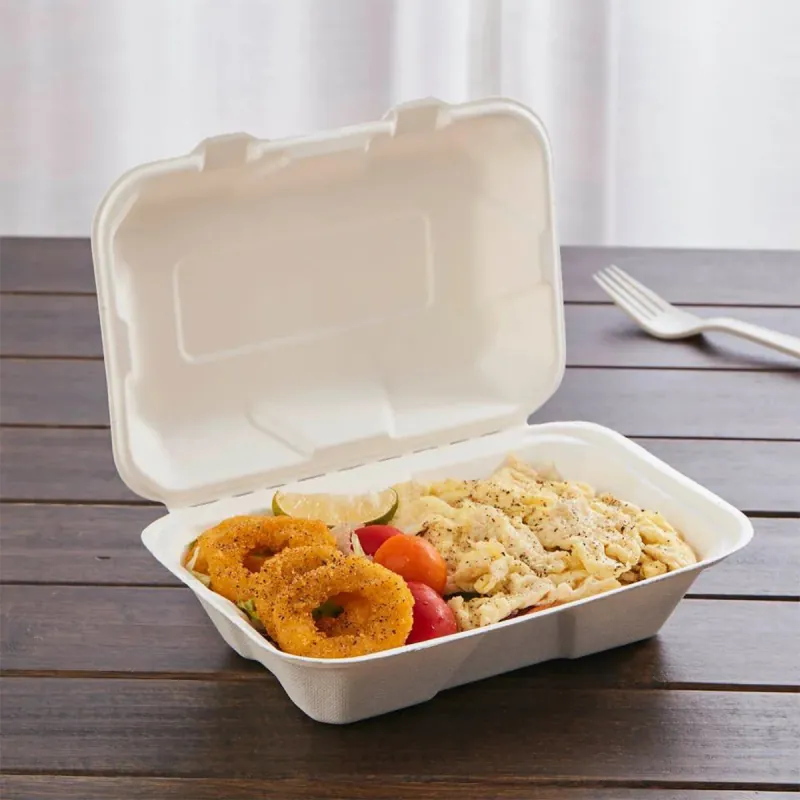
Moulded fibre is made by forming wet pulp against a mould and drying it under heat. That process gives you something folded board cannot: genuinely deep, curved wells with no seams, in a material that absorbs a little moisture instead of repelling it.
That absorbency is the point. Under a tray of mince or a punnet of berries, a fibre tray takes up the free liquid that would otherwise sit against the product. The same property makes it the standard for eggs, where the shock absorption matters as much as the shape.
Tell us which of the compostable & molded fiber trays you need, the size and roughly how many. We reply with a full quote, usually within one working day.
01 — The range
Moulded pulp and bagasse trays formed into deep wells — for produce, protein, eggs and hot service. Every one is made to order, so treat the descriptions as starting points rather than fixed specifications.
Moulded fibre trays are formed by pressing wet pulp against a heated tool.
View tray & get pricing →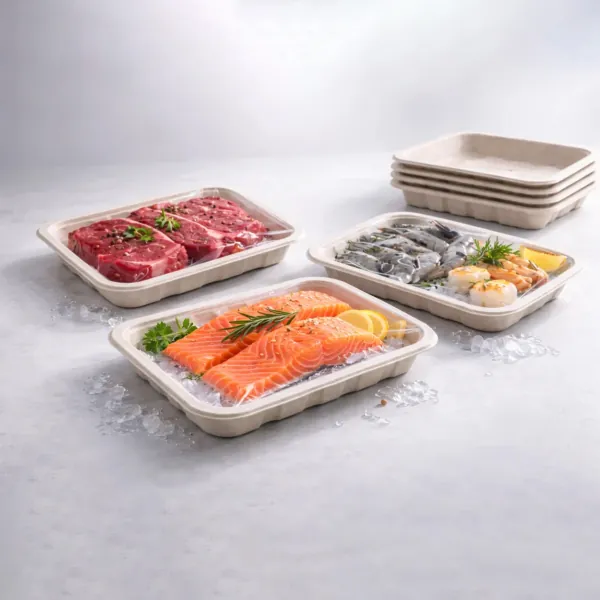
The whole argument for a fibre meat tray is what happens to the liquid.
View tray & get pricing →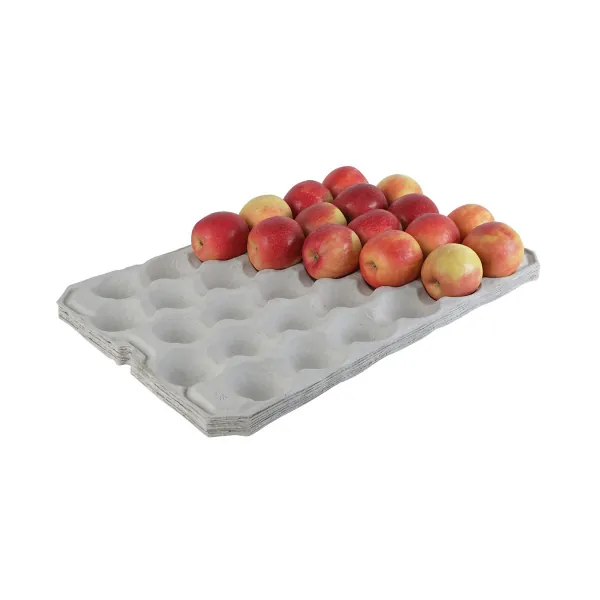
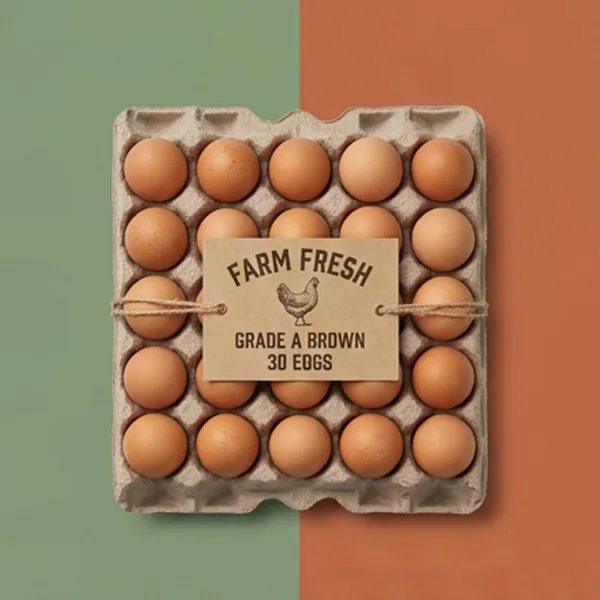
The egg flat is the oldest moulded fibre product still in daily use, and it has barely changed because the design was right the first time.
View tray & get pricing →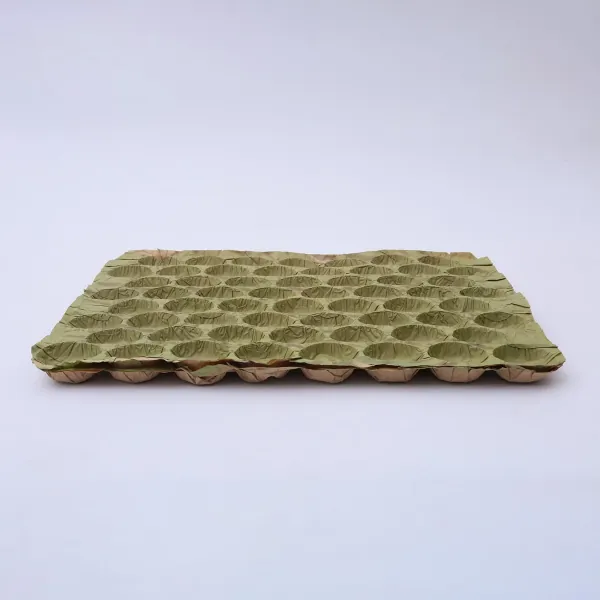
This is the pocketed fibre tray used to move and display fruit, made in a warm kraft tone rather than the grey of a standard pulp tray.
View tray & get pricing →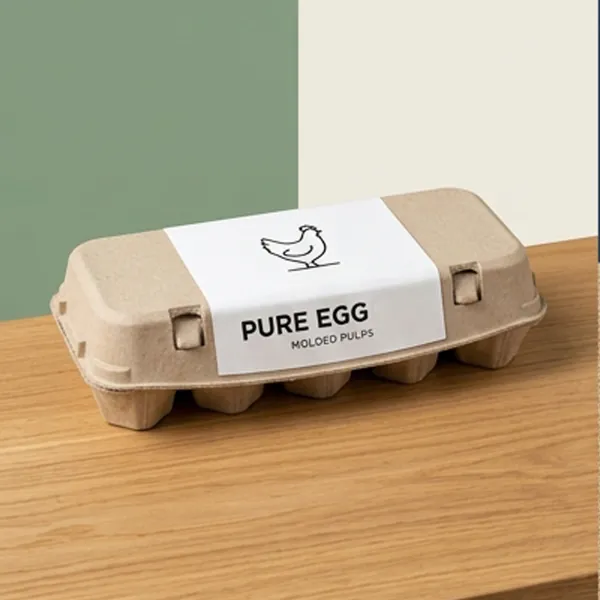
An egg carton is the retail end of the same technology as the wholesale flat, with two additions: a lid that closes properly and a surface that has to s…
View tray & get pricing →02 — In detail
On compostability claims: we will tell you exactly what a tray is made from and what treatments have been applied to it. We will not tell you it is certified home compostable, industrially compostable or biodegradable unless the material you order carries that certification, because those terms have specific legal meanings that differ between the US, UK, Canada and Australia. Ask us for the material specification and check it against the scheme that applies where you sell.
Unlike a plastic or coated board tray, untreated moulded fibre draws free liquid away from the product surface. On a moulded pulp meat tray that is the difference between a package that looks fresh in a chiller and one that does not.
The fibre structure crushes progressively rather than shattering, which is exactly why eggs have travelled in it for a century. The same property protects soft fruit in a produce tray.
Fibre trays tolerate hot food far better than uncoated folding board. A hot school meal sits in a bagasse tray for a full service without softening at the corners.
Because the shape is formed rather than folded, wells can be deep, round-bottomed and precisely matched to a product. That is impossible in a single folded blank.
Being straight about the limitations saves you a disappointing first order.
Choose fibre for what it genuinely does — hot food, absorbency, deep formed wells — and treat any environmental claim as a separate, documented question.
03 — Questions
They are both moulded fibre, but the feedstock differs. Bagasse is the fibrous residue left after sugarcane is pressed; conventional moulded pulp usually starts from recovered paper. Bagasse tends to be paler and is common in food-contact applications; recovered pulp is common in produce and egg packaging.
Only if the specific material you order is certified for the specific scheme you are claiming, in the country you are selling in. We will give you the material specification and any certification that applies to it in writing. What you then claim is a decision to make with that document in hand, not on the strength of the word "fibre".
Untreated fibre absorbs liquid rather than repelling it, so over a long period a very wet product will darken the tray and eventually soften it. For wetter products we specify a barrier treatment. Tell us the product and the shelf life and we will match the specification to it.
Longer than a cutting die — it is a formed metal mould rather than a set of blades. Plan for it in your launch timeline. If you need something faster for a trial, we can often work from an existing mould with a close footprint while your bespoke tool is made.
Many fibre trays tolerate microwave reheating and some tolerate oven temperatures, but this depends entirely on the grade and any barrier applied. We will state the tested temperature range for the material you order rather than giving a blanket yes.
Yes, and it is one of the strongest use cases. Fibre performs well in a chiller because it manages condensation rather than beading it. It is used routinely for meat, produce and eggs in retail.
In most cases yes, though the wall angles will differ because a moulded fibre tray needs draft to release from the tool. Send us the plastic tray and tell us which dimension is critical — the internal volume or the external footprint — and we will design around that one.
Higher than folded board, because the tooling investment is larger and the forming process runs at scale. If your volumes are modest, it is worth asking whether a folded or lined board tray meets the same need at a lower total cost — we will tell you honestly when it does.
Describe the food, the portion and the setting. We will tell you which tray in this range fits, and say so plainly if the answer is a format from somewhere else on the site.