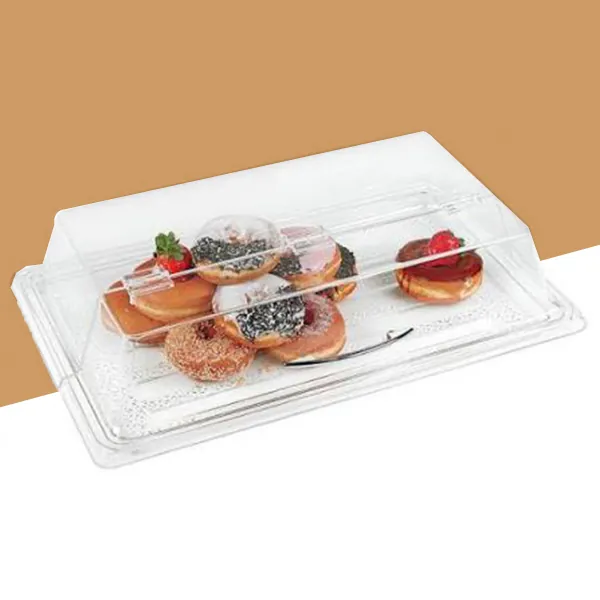
Bakery Display Tray
A bakery display tray has to do two jobs that pull in opposite directions.
View tray & get pricing →Custom food packaging · US · UK · Canada · Australia
Food tray category — 8 trays
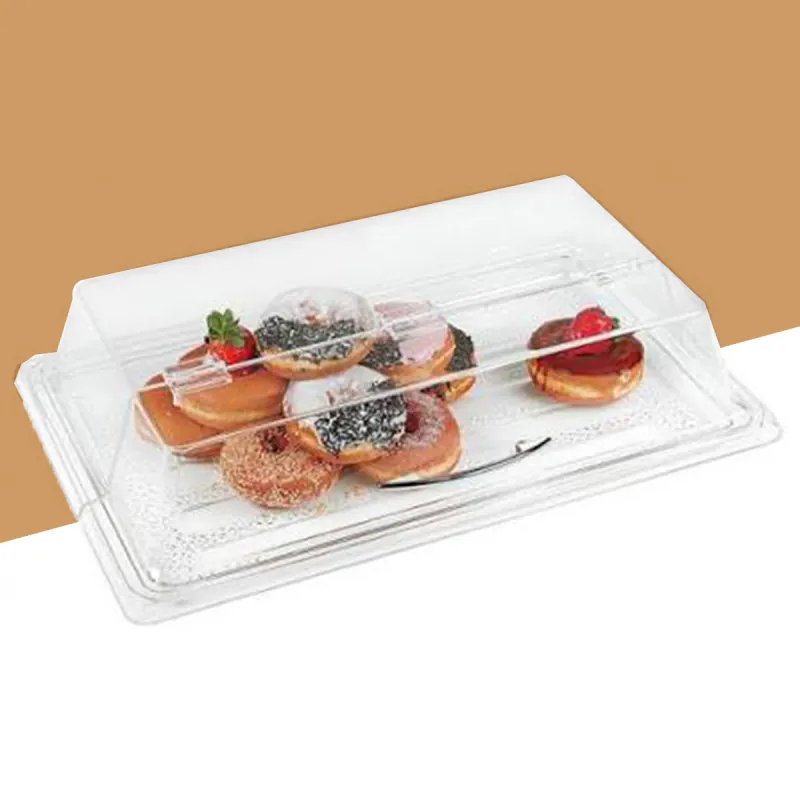
Bakery packaging fails in two specific ways: fat migrates into the board and darkens it, or the product moves in transit and arrives looking handled. Everything in this section is specified against one of those two problems.
The range runs from open display trays for a counter, through inserts that hold individual muffins and cupcakes in place, to the cake boards that sit under a finished cake and take the weight when it is lifted.
Tell us which of the bakery & dessert trays you need, the size and roughly how many. We reply with a full quote, usually within one working day.
01 — The range
Display trays, inserts and boards for bakeries, patisseries, cafés and dessert brands. Every one is made to order, so treat the descriptions as starting points rather than fixed specifications.
A bakery display tray has to do two jobs that pull in opposite directions.
View tray & get pricing →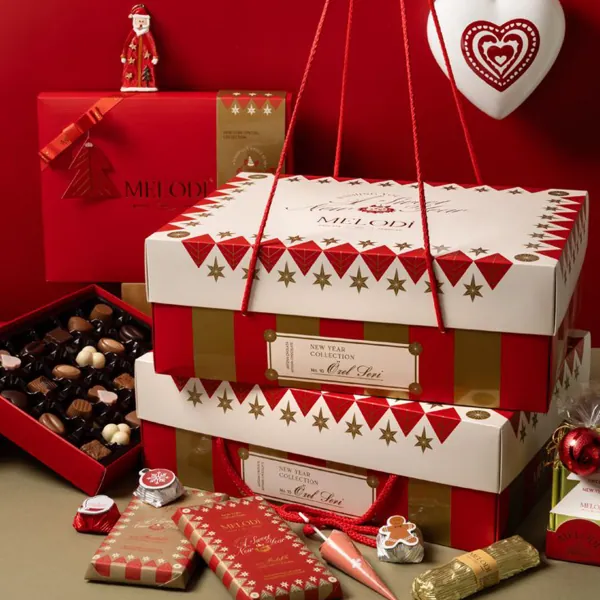
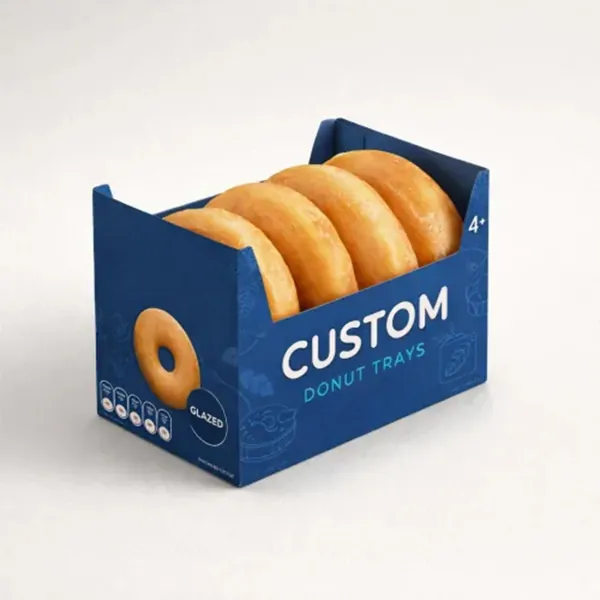
Donuts are wide, glazed and easily damaged, which makes them one of the more demanding bakery products to package.
View tray & get pricing →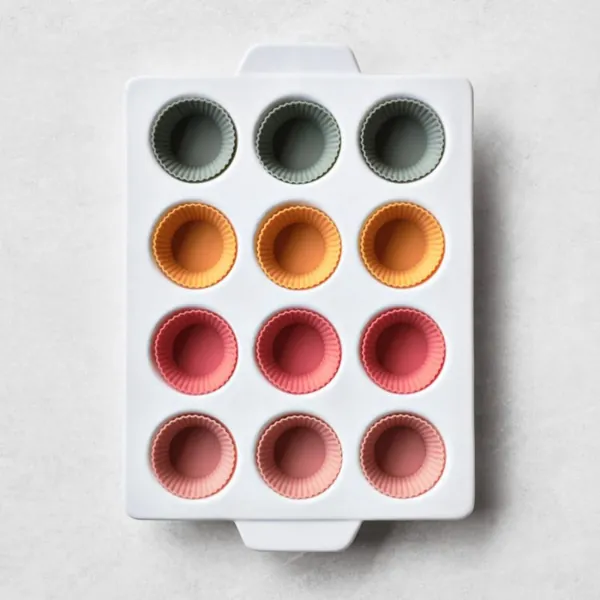
An insert is the difference between a box of cupcakes and a box of icing.
View tray & get pricing →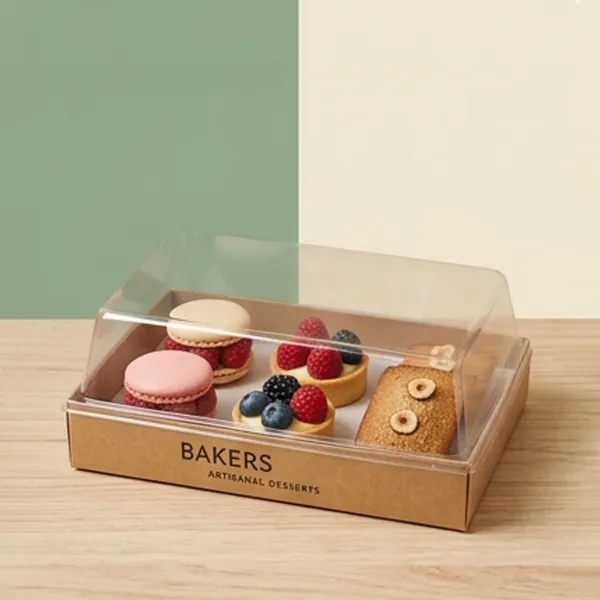
A dome over a kraft tray is the standard presentation for a mixed patisserie selection sold from a counter.
View tray & get pricing →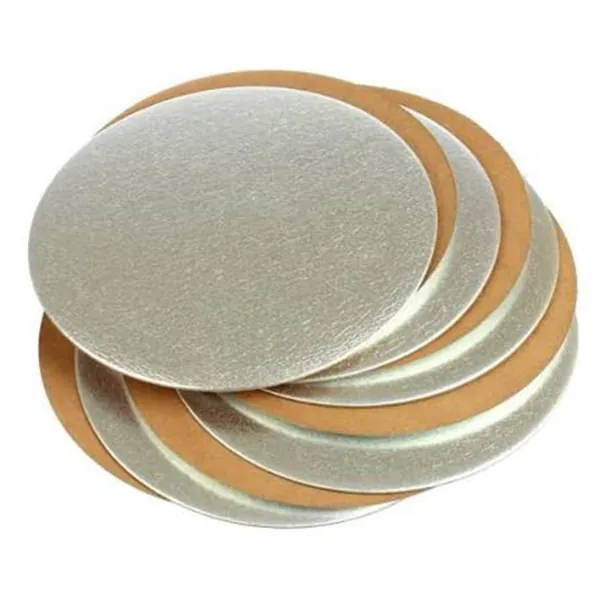
A cake board is a structural component pretending to be a presentation item.
View tray & get pricing →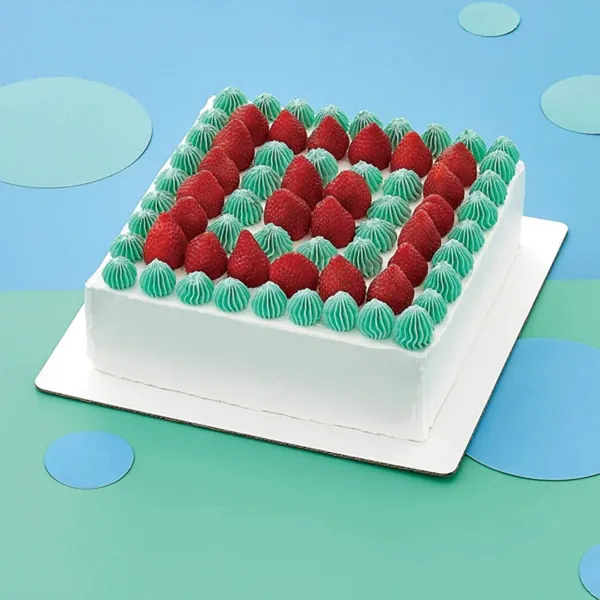

02 — In detail
Butter, oil and chocolate all migrate into uncoated board over hours, not days. The visible result is a translucent stain that spreads outward from wherever the product touches. On a brown kraft tray it is barely noticeable. On a white printed bakery tray it is the first thing a customer sees.
There are three practical answers, in ascending order of cost: a grease-resistant treatment on the board, a separate greaseproof liner between product and tray, or a laminated barrier. Which one you need depends on the fat content of the product and how long it sits. A croissant on a counter for two hours and a slab of brownie shipped overnight are different problems.
We will ask what the product is and how long it sits before we quote, because guessing this wrong is the single most common reason a bakery tray disappoints.
Shallow trays that sit in a counter or a window. Sized to a standard bake sheet division so your production does not have to change to fit the packaging.
For takeaway and delivery. A cookie tray with a lid keeps a dozen biscuits from sliding into one corner of the box.
Die-cut wells that hold muffins, cupcakes and individual desserts upright. The well diameter has to match your case size, not a nominal one — send a sample.
Round and square boards in laminated or plain finishes, cut to standard cake sizes or to your own. These carry weight, so caliper matters more than print.
Bakery packaging divides into three jobs — baking in it, displaying in it, and sending it home — and the specification differs for each.
03 — Questions
If the product contains butter or oil and sits for more than an hour or two, yes — untreated board will show a stain. Ask for a grease-resistant food-contact surface when you request pricing. It adds very little to the unit cost and eliminates the most common complaint.
Yes. Send the diameter or the side length and the caliper you use now and we will cut to match, so your existing boxes, turntables and display stands still fit. If you want to move to a slightly different size, tell us and we will flag anything it will break.
Measure the widest point of a baked case, not the paper case before filling — muffins expand over the rim. Then measure the height including the dome. Send both figures, or post us two baked samples, and we will size the wells with the right clearance.
Yes, on lidded styles. Windows are film-mounted behind a die-cut aperture. They add cost and a plastic component, so if the point is simply to show the product, an open display tray in a counter can be a cheaper answer.
The underside can be printed freely. The top face is a food-contact surface under most cakes, so printing there needs to be specified carefully and is often better handled with a printed border outside the cake footprint. Tell us the cake diameter and we will show you the usable print area.
Chilled display is fine with the right board. The thing to watch is condensation when a tray moves from a cold cabinet into a warm room — moisture forms on the surface and can soften untreated board. A moisture-resistant construction solves it.
Lower than most bakeries expect. Because bakery trays are small and print is usually one or two colours, setup amortises quickly. It is worth asking for pricing at a few quantities so you can see where the unit cost flattens out before you commit.
Yes, and it is usually cheaper to run them together. The artwork is prepared once and adapted to each dieline. Send us the full list of items you want branded and we will quote them as one project.
They can, with the right closure and insert. The failure mode in delivery is movement, not crushing — a dessert that slides two inches arrives looking wrong even if nothing is damaged. Inserts and a snug lid solve it. Tell us the delivery method and we will build for it.
Describe the food, the portion and the setting. We will tell you which tray in this range fits, and say so plainly if the answer is a format from somewhere else on the site.