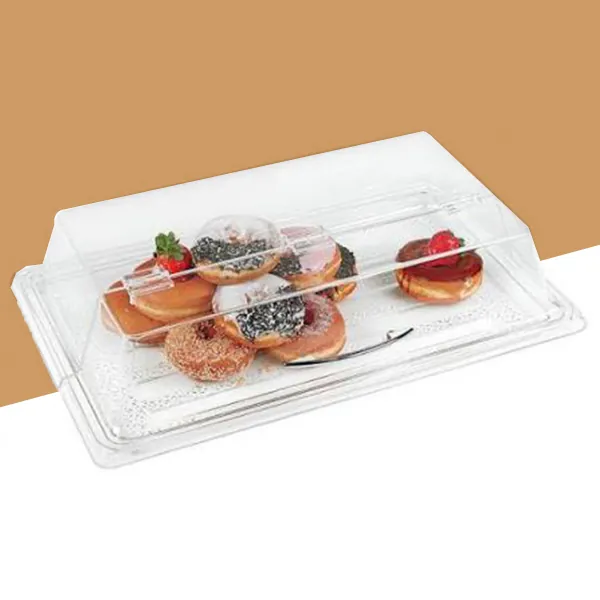
Bakery Display Tray
A bakery display tray has to do two jobs that pull in opposite directions.
View tray & get pricing →Custom food packaging · US · UK · Canada · Australia
Industry guide
Bakery packaging fails in exactly two ways, and both are predictable. Fat migrates into the board and leaves a translucent stain, or the product moves in transit and arrives looking handled. Almost everything a bakery needs to specify is aimed at one of those two.
The third consideration is production flow. A bakery buys packaging that is handled dozens of times a day by staff working at speed, and packaging sized to your bake sheets rather than to a catalogue saves a step in every one of those movements.
Describe the operation and roughly how many trays you get through. We come back with the formats that fit, with pricing — usually within one working day.
Loaf cases, pan liners and muffin cases that go into the oven with the product. Specified by dough volume and oven temperature, and — if the product sells in them — by how they look after the bake.
The starting point for most bakeries is a set of pleated paper pan liners cut to the tins you already own.
Counter and window trays that hold finished product. Shallow, grease-resistant, and ideally sized to a division of your bake sheet so transfers are a slide rather than a hundred individual movements.
Boxes, inserts and cake boards. This is where the branding budget goes, because it is the packaging the customer actually keeps and photographs.
Ranked by how quickly an untreated board will show a mark.
| Product | Time to visible marking | Verdict |
|---|---|---|
| Laminated pastry, croissants | Under an hour | Essential |
| Butter-rich cookies and shortbread | A few hours | Essential |
| Chocolate-topped items in a warm room | A few hours | Essential |
| Enriched buns and brioche | Half a day | Recommended |
| Lean breads and sourdough | Days, if at all | Not needed |
A common assumption is that a Christmas, Easter and Valentine’s version of a box means three packaging projects. It does not. The cutting die and the insert stay the same across all three, so each additional design carries plate cost only.
That makes a seasonal range genuinely practical for a small bakery, and seasonal packaging is one of the more reliable ways to lift the average transaction value on a product you already make.
Picked for the specific demands described above rather than as a general list.
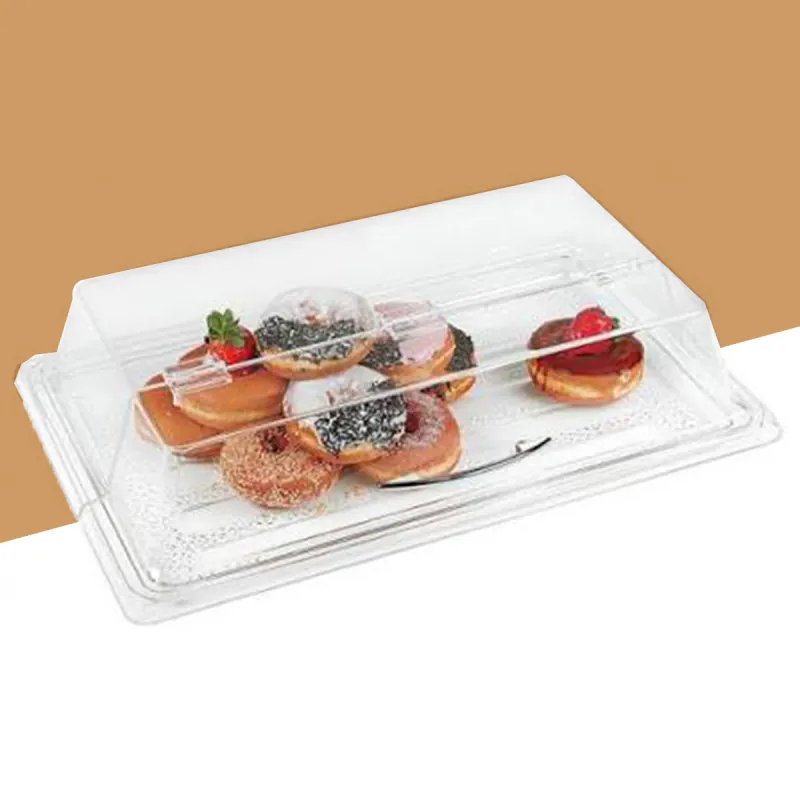
A bakery display tray has to do two jobs that pull in opposite directions.
View tray & get pricing →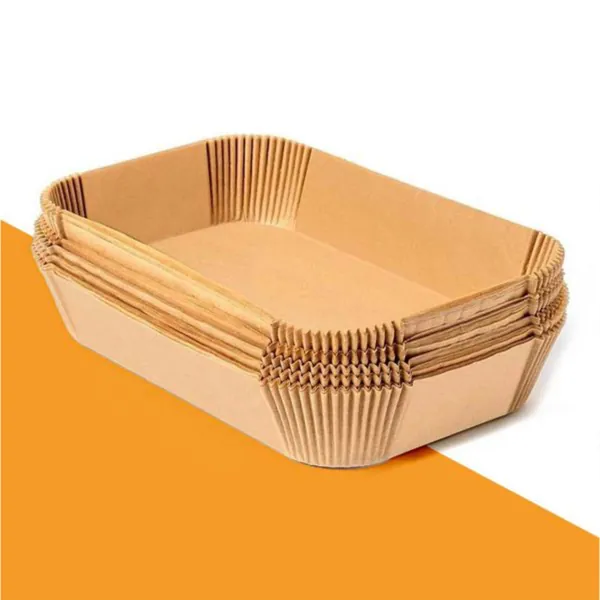
A pan liner is the least glamorous item on this site and one of the most immediately useful.
View tray & get pricing →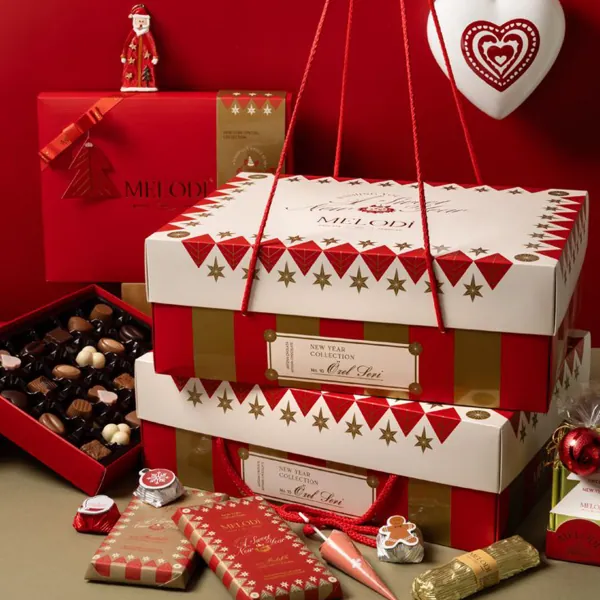
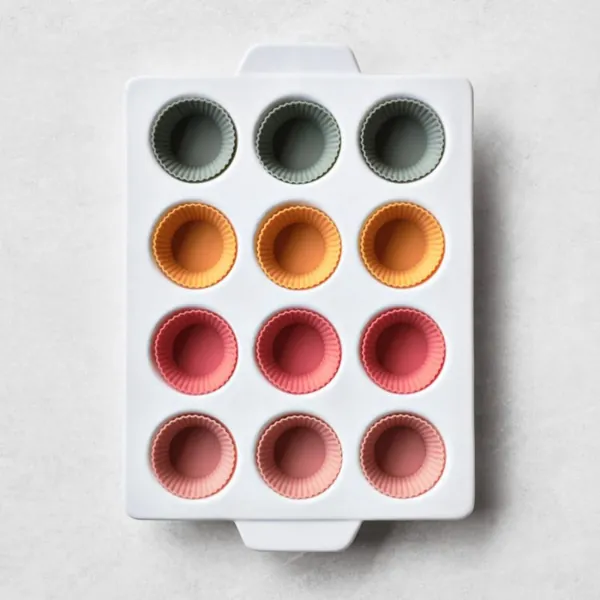
An insert is the difference between a box of cupcakes and a box of icing.
View tray & get pricing →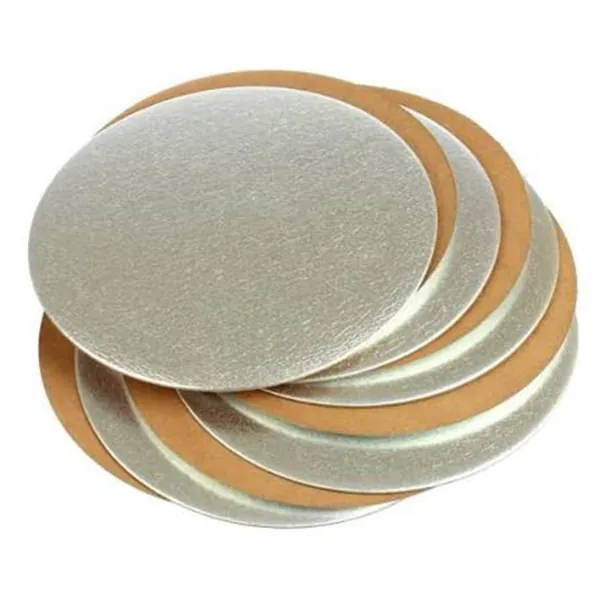
A cake board is a structural component pretending to be a presentation item.
View tray & get pricing →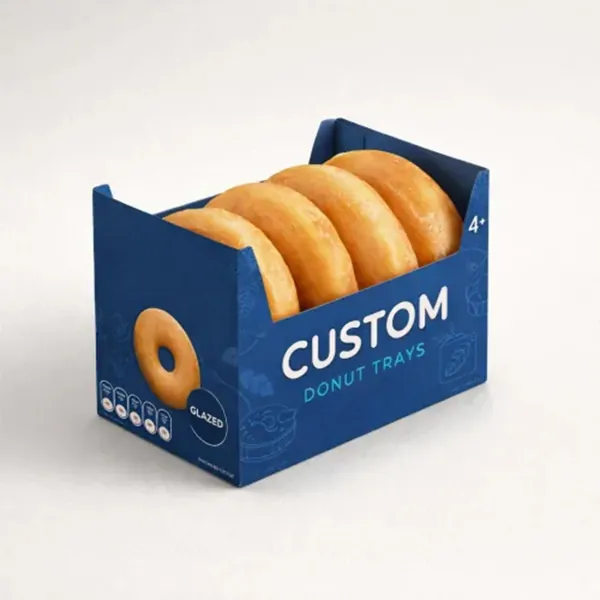
Donuts are wide, glazed and easily damaged, which makes them one of the more demanding bakery products to package.
View tray & get pricing →Specify a grease-resistant food-contact face. For laminated pastry it is essential — untreated board shows a stain within an hour. It adds very little to the unit cost and removes the most common bakery packaging complaint.
A whole division of your bake sheet, checked against your counter fixture. Sizing to the sheet turns your morning transfer into a slide instead of a hundred individual movements.
Bake-in cases are made for it, and we confirm the tested temperature range. Display and transport trays are a different material and are not intended for an oven — do not assume any paper tray is oven-safe.
Measure a baked, cooled cake at its widest point across the top — not the empty paper case. Batter expands over the rim, so a case-sized well will not accept the finished product.
More affordable than most expect. The die and the insert are shared across designs, so each seasonal version costs plates rather than a whole new tooling project.
It depends on the diameter and the cake weight together. A thin board suits a light single sponge; a heavy fruit cake or the base tier of a stack needs a full drum. Tell us the finished weight and we will specify it.
Yes, on lidded formats. Windows sell the product wherever the customer chooses at the counter. Bear in mind they let light in, which matters for chocolate, and they weaken the lid under stacking.
Board absorbs moisture from the air. Stored flat and dry they stay flat; stored on edge in a damp store room they curl. If stock is arriving curled rather than becoming curled, tell us and we will adjust the packing.
Send the food, the volumes and the country you take delivery in. We reply with formats, material options and a full quote including freight.