Custom food packaging · US · UK · Canada · Australia

The Food TraysCustom food packaging
The Food Trays Get a Quote

01 — The range

Grouped by what the tray has to do

Not by material, because the same board turns up in half of these. Start from the job and the material follows.

01

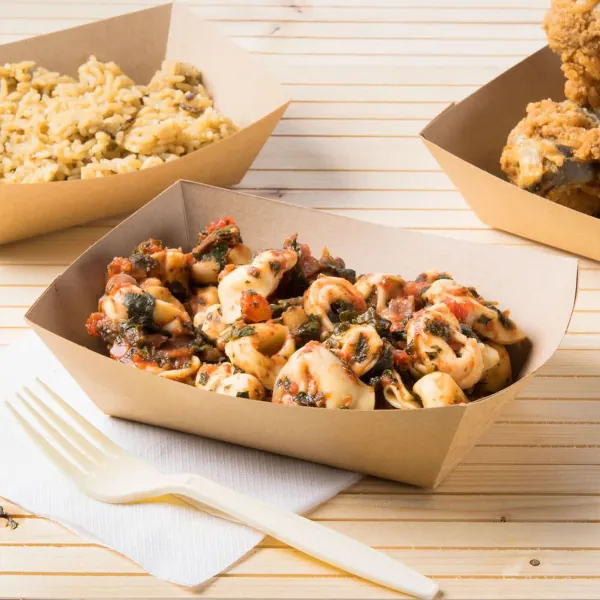
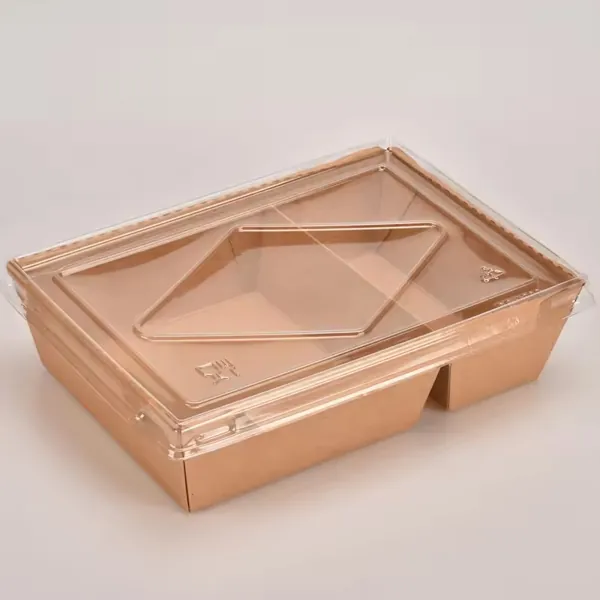
Kraft Food Trays

Natural and bleached kraft board trays for counter service, snacks, subs and grab-and-go.

6 trays →

Natural kraft paper food tray holding a served portion on a counter

02

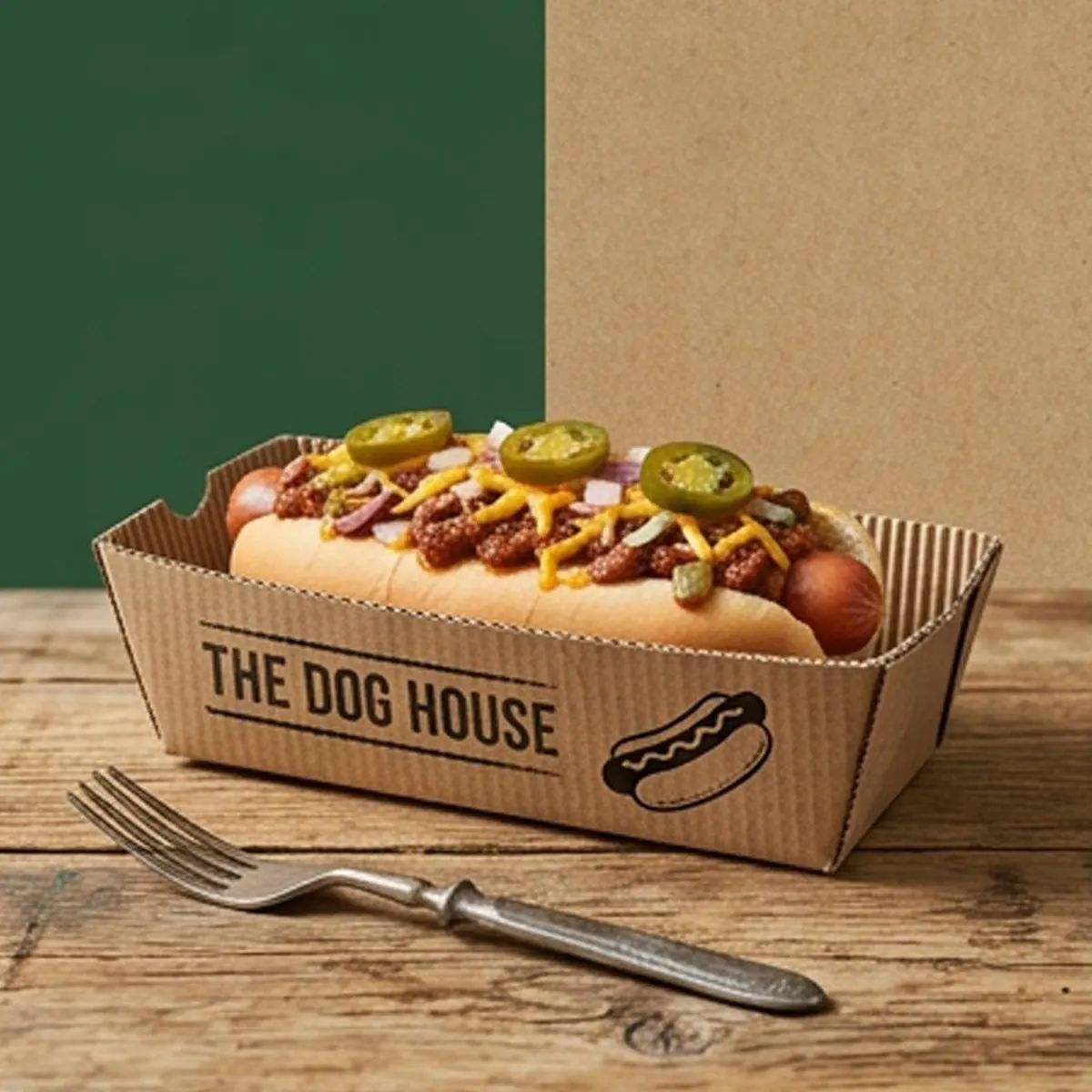
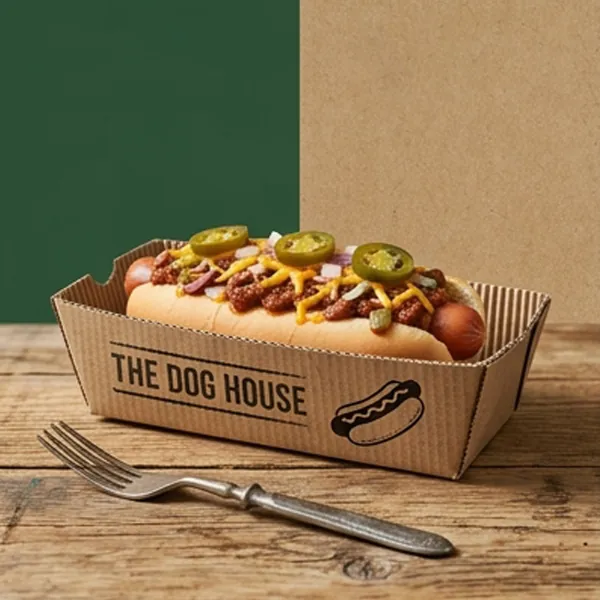
Corrugated Food Trays

Fluted board trays that carry weight — for deli counters, bakery racks, bulk service and transport.

7 trays →

03

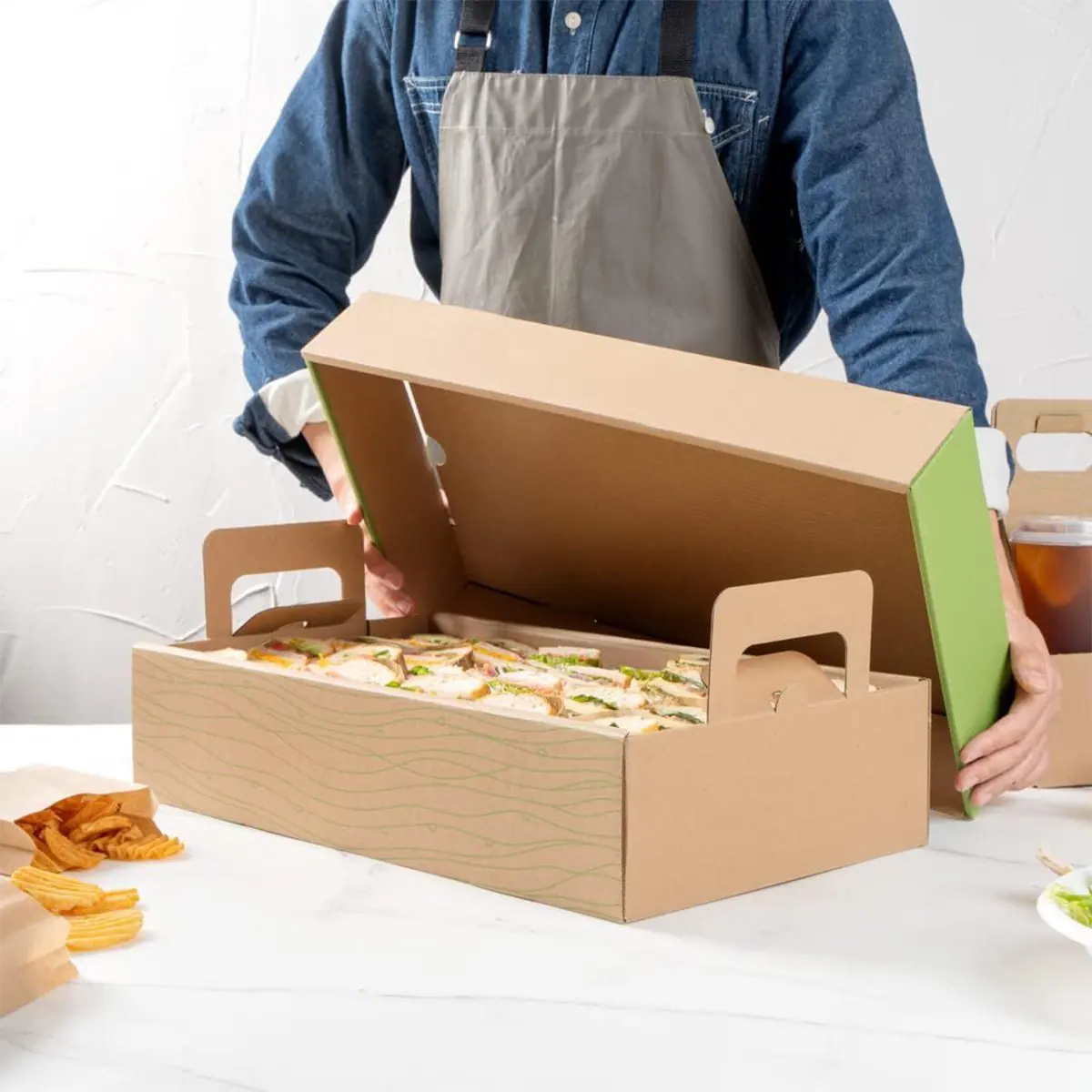
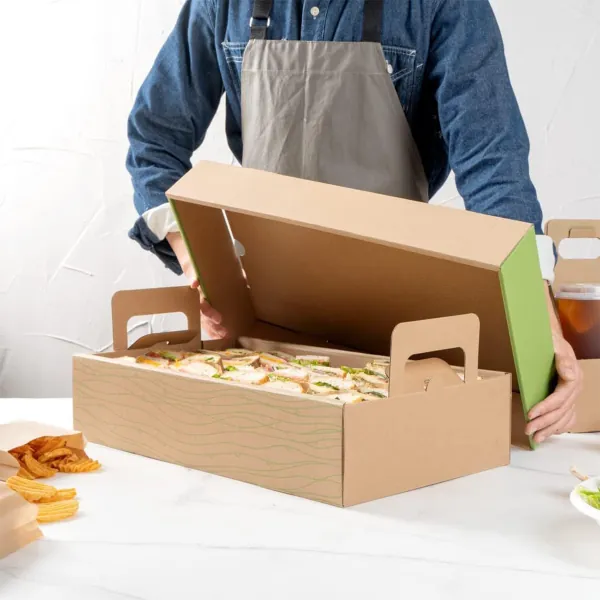
Catering Trays

Lidded trays, party trays and carriers built to survive a van, a lift and a boardroom table.

5 trays →

04

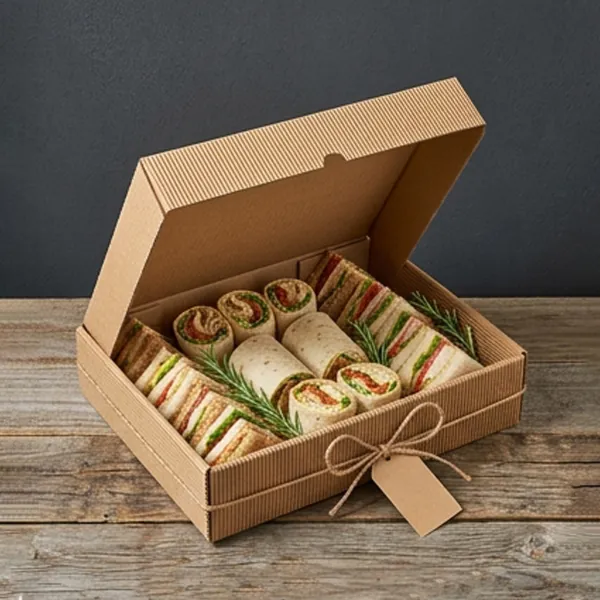
Serving Trays & Platters

Flat presentation platters for buffets, retail chillers and front-of-house display.

6 trays →

Disposable sandwich platter arranged with filled sandwich halves

05

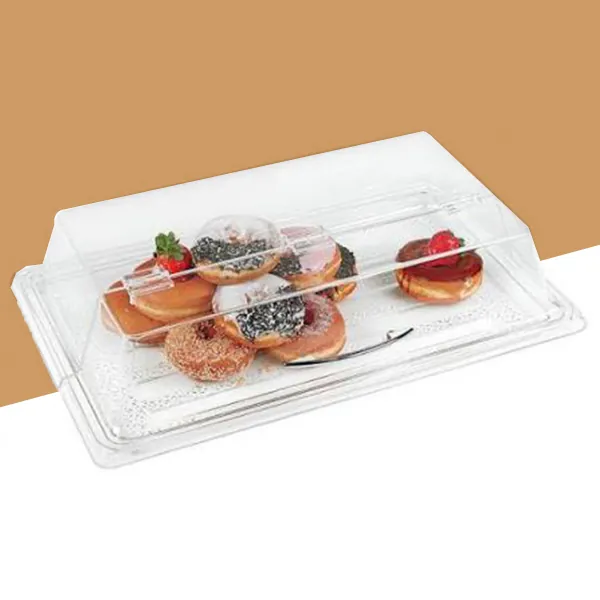
Bakery & Dessert Trays

Display trays, inserts and boards for bakeries, patisseries, cafés and dessert brands.

8 trays →

Bakery display tray holding freshly baked pastries on a counter

10

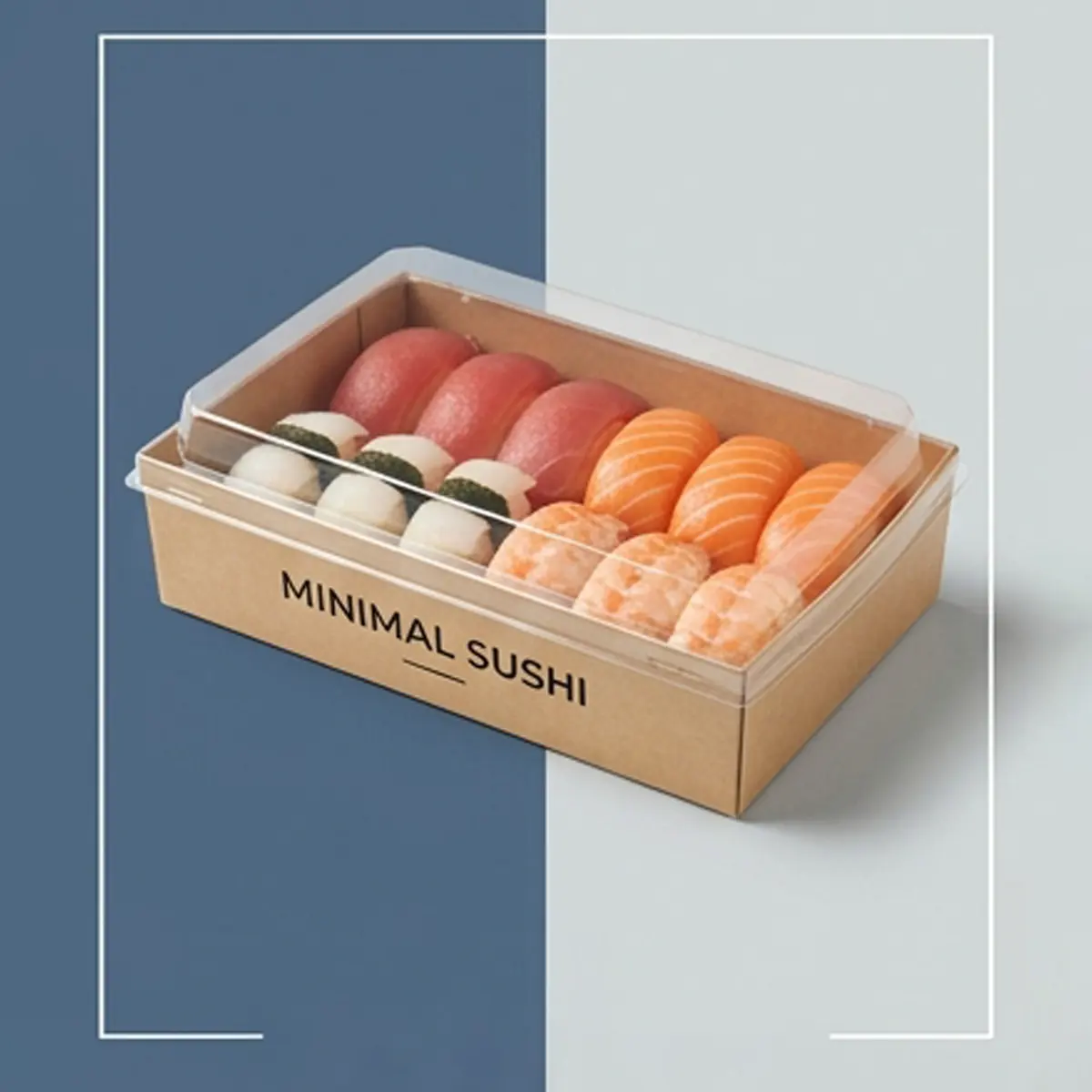
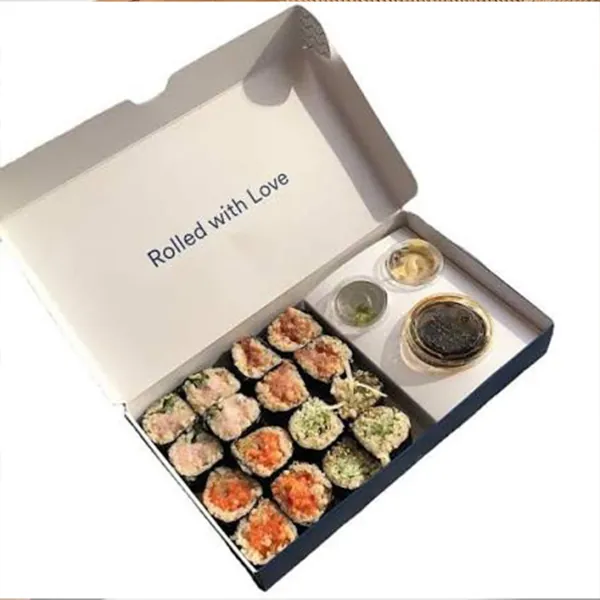
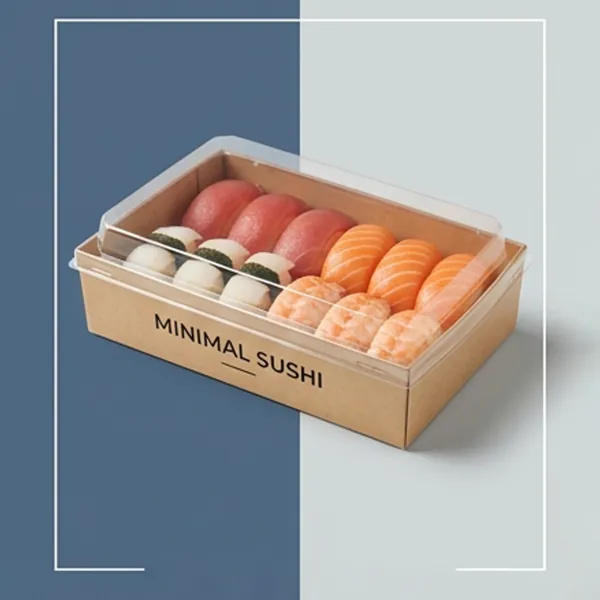
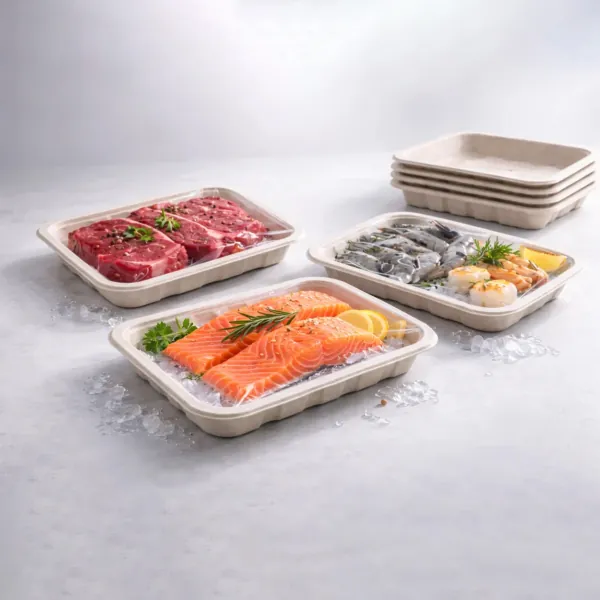
Sushi & Seafood Trays

Chilled-display packaging for sushi, shellfish and seafood counters.

5 trays →

Kraft sushi tray with a clear lid holding arranged sushi rolls

11

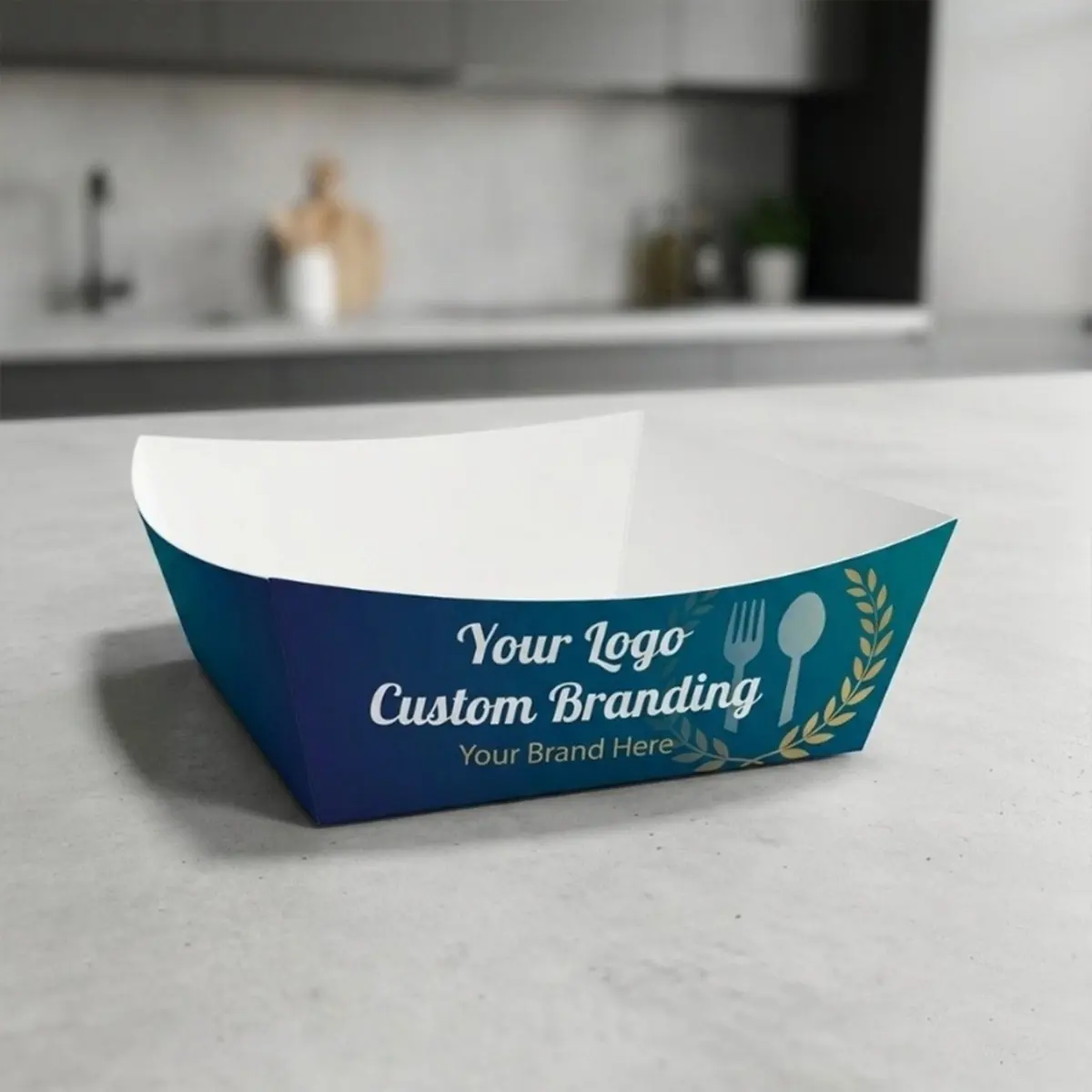
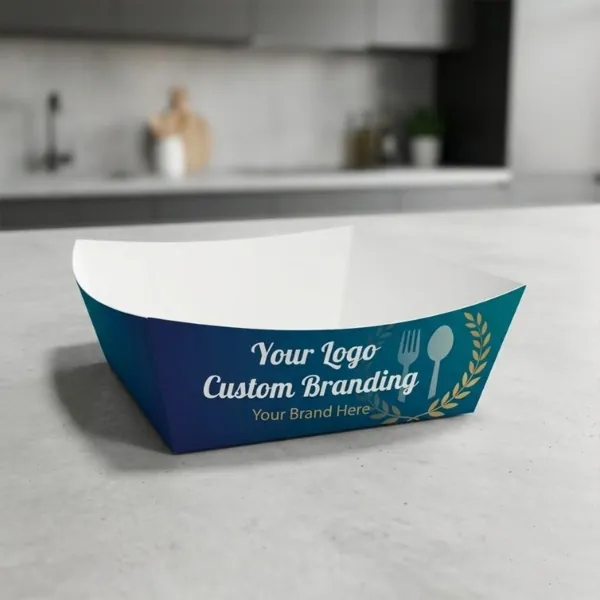
Custom Printed Food Trays

Any tray in the range, printed with your artwork — plus the three formats built specifically for branding.

3 trays →

Custom printed food tray showing branded artwork across the side wall

See all 60 tray styles in one list

02 — A cross-section

Ten of the sixty

Picked to show the spread rather than the bestsellers. Every one is cut to order.

03 — How it arrives

It ships flat. You fold it.

An assembled tray is mostly air. Flat-packed, the same order takes a fraction of the space in a van and a fraction of the space in your store room — which on a long freight route can matter more than the unit price does.

Most styles lock together by hand in about two seconds. Where your service is too fast for that, we can supply pre-glued corners instead: higher per unit, far higher on freight, and worth it only when the queue is the constraint rather than the cupboard.

Flat blankFolded tray

Scroll — flat blank to finished tray

04 — Materials

Four boards. Each fails somewhere.

They are not interchangeable, and choosing badly is the most expensive packaging mistake there is, because it only shows up after tooling.

Kraft folding board

Cheapest, lightest, best for print and fine detail. Weakest under load and under moisture. Right for most counter service.

Corrugated

The fluted layer makes it far stiffer per unit weight. What you need for weight, depth, hand holes and stacking.

Moulded fibre

Deep formed wells, tolerates hot food, absorbs liquid instead of pooling it. Cannot carry fine print; slower to tool.

Rigid wrapped board

Wrapped edges and real weight in the hand. Several times the cost and ships assembled. Only where the box carries value.

Read the full materials comparison

05 — Start here

Tell us what you serve

Most packaging problems are settled before anything is made — the wrong depth, the wrong board, no grease resistance, a lid with too little overlap. Describe the food and we work backwards.

If a cheaper format does the job, we will say so. If the tray you are asking for will not survive what you are putting in it, we will say that too.

  1. Send details or a sample

    Internal dimensions, the food, the quantity, the delivery country. A tray in the post is the fastest route of all.

  2. We quote, freight included

    Unit price at your quantity, tooling if any, and delivery to your address — itemised, not buried.

  3. Dieline, proof, production

    The flat template before your designer starts, a proof before we print, and a real production date.

60
tray styles, all made to order
4
countries supplied
1–4
print colours, or full process
1 day
typical quote turnaround
Get a quote in one working day

Tell us the tray, the size and the run length. We reply with pricing, material options and a production timeline.

PDF, AI, EPS, PSD, JPG, PNG or ZIP. Up to 12 MB. Optional — a rough sketch is fine.

We use your details to prepare the quote and reply. No mailing lists, no resale of your information.

06 — Who buys

The right tray for a concourse is the wrong tray for a bakery

And the reasons have very little to do with the food. Each guide sets out what that operation actually has to specify.

Catering Companies

Catering packaging has a harder job than restaurant packaging because of the journey.

Restaurants

Restaurants have quietly become packaging businesses.

Bakeries

Bakery packaging fails in exactly two ways, and both are predictable.

Food Trucks

A food truck buys packaging under a constraint nothing else in food service has: storage.

Stadium Concessions

Stadium concessions have a demand profile nothing else in food service matches: essentially nothing for an hour, then more transactions in fifteen minutes than a restaurant does in a night.

Delis and Supermarkets

Retail food packaging has a requirement that food service packaging does not: it has to work unattended.

School Meals

School meal trays are specified against constraints that come from the building rather than the food.

Takeout and Delivery

Delivery packaging has to solve a problem the kitchen cannot: twenty minutes between the pass and the table, during which the food continues to cook itself in its own steam, moves around a bag, and cools unevenly.

Festivals and Events

Festival trading compresses a season of business into a handful of weekends, in a field, with no stockroom and often no reliable power.

All 15 industry guides

07 — Where we ship

Four markets, genuinely different

Portion scale, sizing conventions, labelling and freight all vary. We size from your product, not a regional average.

United States

The United States is the largest single market we supply, and it is also the one with the most format variety.

United Kingdom

The UK food-service market has a distinct packaging character: smaller portions than the US, a very large food-to-go and meal-deal sector, a strong sandwich and bakery trade, and retail chillers that dominate lunchtime buying in a way they do not everywhere.

Canada

Canadian food packaging sits between American and British conventions, which sounds convenient and is actually the source of most of the confusion.

Australia

Australia has a food-service culture that shapes packaging in specific ways: an unusually strong café and brunch trade, a long outdoor eating season, a substantial event and festival circuit, and a retail food-to-go market that has grown quickly.

09 — Questions

Asked in almost every first conversation

What is the minimum order for custom food trays?

It depends on the format. A simple single-colour folding board tray starts considerably lower than a moulded fibre product, which needs a formed metal tool. Ask for pricing at two or three quantities and the unit cost curve will show you where it makes sense to commit.

How much do custom food trays cost?

Pricing starts from $0.30 per tray, and the unit price depends on the size, the board, the printing, the finishing, the quantity and the delivery country. Every quote is worked out against your specification rather than taken from a list.

Can you match a tray I already buy?

In almost every case. Post us the tray, or send photographs beside a ruler. We reverse-engineer the flat blank so your racks, carriers, sleeves and portioning all stay exactly as they are.

Do you supply plain trays as well as printed ones?

Yes, and a plain custom-size tray is often the sensible first order. You get a container that fits your food without organising artwork, usually at a lower unit price than stock. Print on the repeat, when the cutting die is already paid for.

Which countries do you ship to?

The United States, United Kingdom, Canada and Australia. Freight and duty differ by destination, so we quote to your address and postcode rather than giving a factory-gate figure.

How long does a first order take?

It depends on the format, the print and whether new tooling is needed. Folding board is quickest and moulded fibre slowest. In practice the longest stage is usually artwork approval on the customer side rather than production, so start the design early.

Do you supply samples before a full production run?

We can supply plain samples in a similar footprint so you can test fit and portion size, and a printed proof for artwork approval. Ask for both in the same message and we will price them alongside the production run.

Are your trays recyclable or compostable?

We tell you exactly what the board is made from and what treatment is on it, in writing. We will not describe a tray as recyclable or compostable unless the material you order supports that claim in the market where you sell — those terms have defined meanings that differ between countries.

Can you print my logo on the trays?

Yes, in one to four spot colours or full four-colour process on a light board. We supply a dieline before your designer starts, and a proof before production. The cutting die stays on file, so a later design change costs plates only.

What information do you need to quote?

The food and portion, the internal dimensions or a sample, the board and any treatment, the print, the quantity and the delivery address. Send those and the first quote will be accurate rather than approximate.

Send us the awkward part

The size that has to fit a fixture, the food that keeps marking the board, the lid that lifts in the van. Those are the useful questions, and we would rather answer one than quote against a guess.