Delivery
Why Your Delivery Food Arrives Soggy — And the Packaging Fix
It is almost never the courier. Soggy delivery food is a condensation problem with a packaging answer, and the fix costs almost nothing.
Published May 8, 2026 · Updated August 14, 2026 · About 9 minutes to read
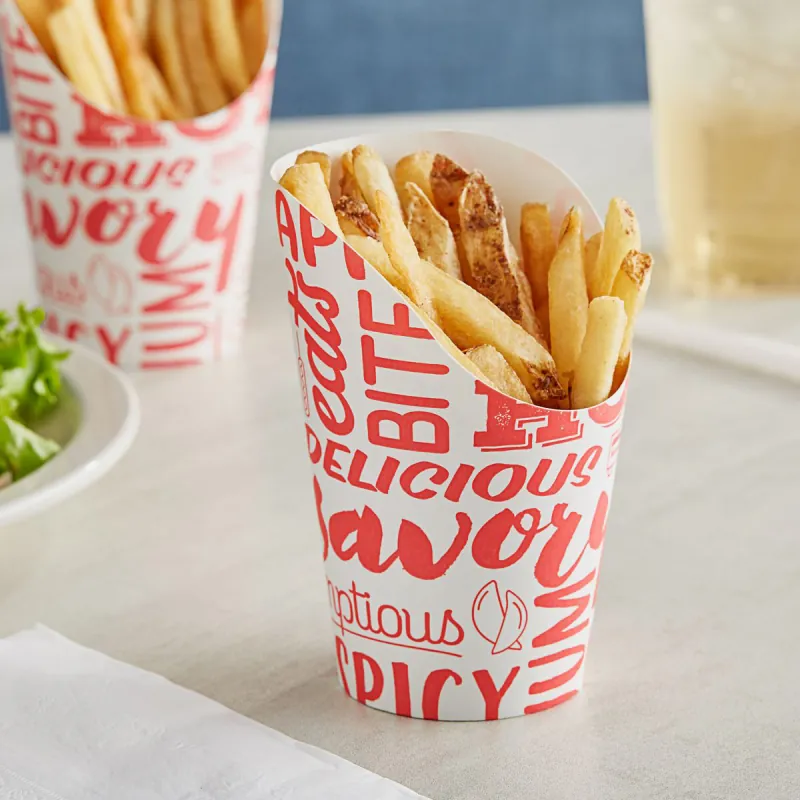
Every restaurant that runs delivery has had the review: "food was cold and soggy". The instinct is to blame the courier, and occasionally that is fair. Far more often the food left the kitchen perfect and destroyed itself on the way, through a process nobody in the building can see.
This is a short explanation of what actually happens, and the four changes that fix most of it.
The physics, briefly
Hot food contains water. As it cools it releases some of that water as vapour. In an open container the vapour disperses into the air and nothing happens. In a closed container it has nowhere to go, so it saturates the air inside, condenses on the coolest surface — usually the underside of the lid — and drips back onto the food.
A crisp coating is crisp because it is dry. Put liquid water back onto it and it stops being crisp, in minutes rather than tens of minutes. This is why a portion of fries can be perfect at the pass and unpleasant fifteen minutes later without anything else going wrong.
Distance and time make it worse but they are not the cause. The cause is a sealed container around food that is still releasing vapour.
The four fixes
Vent anything closed that should stay crisp
Die-cut vents in a lid or a wall let vapour escape. This is the single highest-impact change available and it costs almost nothing in the cutting die. It is why pizza boxes have always had vents.
Separate wet from dry
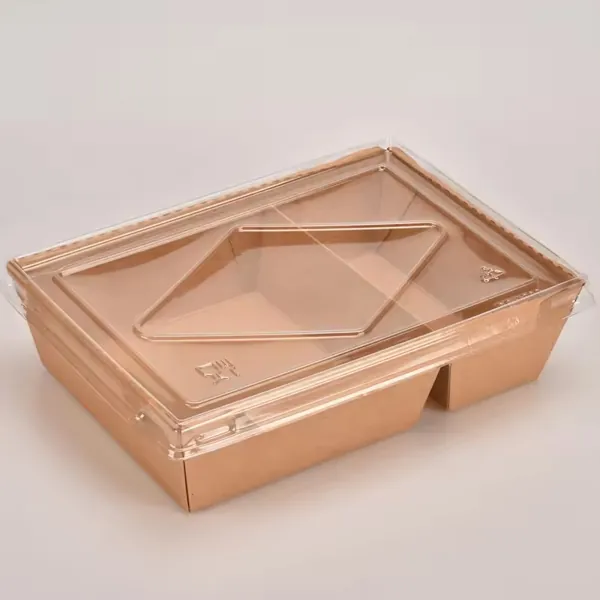
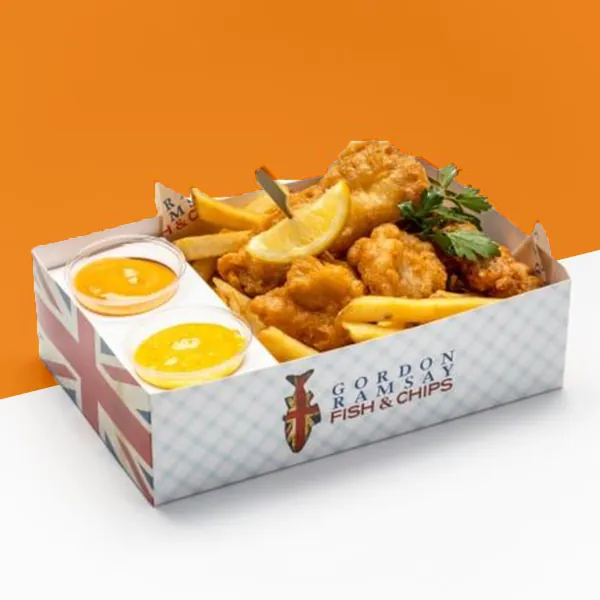
A sauced item in the same compartment as a fried one guarantees a soft fried one. Compartments or separate containers, always.
Send sauce in sealed pots
Not poured over the food, and not in an open compartment where it will move. A pot also lets the customer control how much they use, which most prefer.
Let food breathe for thirty seconds before closing
The most violent steam release happens in the first moments out of a fryer. A short pause before the lid goes on removes a surprising amount of it.
Why sealing tightly is the wrong instinct
The intuition that a tight seal means quality is strong and, for delivery food, exactly backwards. A tight seal is right for anything wet, cold or liquid — a salad dressing, a soup, a curry. It is wrong for anything that has to stay crisp.
The mental model to use is simple: seal the wet things, vent the crisp things, and never put them in the same container. Almost every delivery packaging decision falls out of that sentence.
The items most affected, roughly in order
- Battered fish — the most steam-sensitive item on most menus.
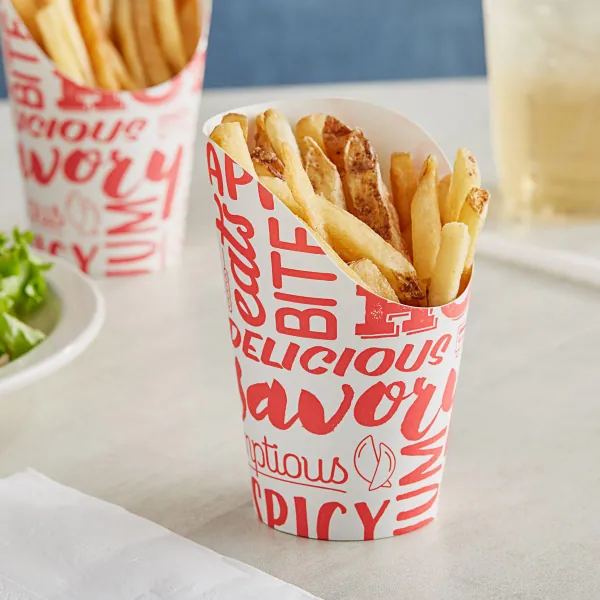
- Fries and fried potato, especially thin cuts with a high surface area.
- Pizza, where a sealed box produces a soft base within ten minutes.
- Fried chicken, which is both greasy and high in moisture.
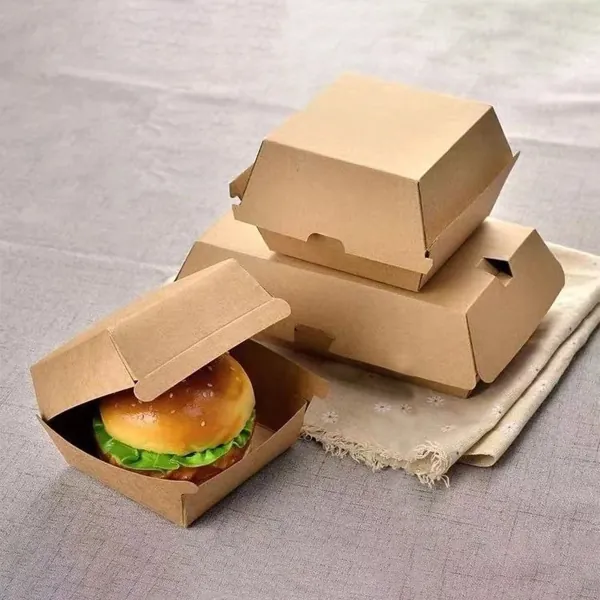
- Toasted bread and burger buns, which absorb condensation directly.
- Pastry, where the fat and the moisture work against each other.
What it costs to fix
Very little. Vents are a change to a cutting die, which is a one-off. A compartment tray costs marginally more than a plain one. Sauce pots are a few cents. A thirty-second pause before closing is free.
Set against a single one-star review mentioning soggy food, all of it is trivially cheap. And unlike a marketing spend, the improvement applies to every order for the life of the packaging run.
A test worth running: order your own delivery, from your own kitchen, at your busiest hour, to an address twenty minutes away. Open it on camera. Most operators find at least two of the four fixes above are missing, and the evidence makes the case internally far better than any argument.
A category with the opposite problem
Chilled products have the mirror-image version of this: condensation forming inside a cold pack rather than steam softening a hot one. The sushi packaging guide covers how that is managed.
Quick answers
Will vents make the food go cold?
Slightly, and it is a genuine trade-off — but customers notice soggy food far more than food a few degrees cooler. In practice a vented container inside an insulated bag holds heat acceptably while letting vapour out.
Can I just use a bigger container?
Headroom helps a little because there is more air to absorb vapour before it saturates, but it does not solve the problem and it lets the food move around instead. Venting is the actual fix.
Does this apply to hot food that is not fried?
Less urgently. A stew or a curry has nothing crisp to ruin, so a sealed container is correct for it. The problem is specific to food whose quality depends on being dry on the outside.