Operations
The Real Cost of Under-Specified Packaging
Packaging is one of the few costs where the invoice price and the total cost point in opposite directions. Here is how to find the real number.
Published July 24, 2026 · About 9 minutes to read
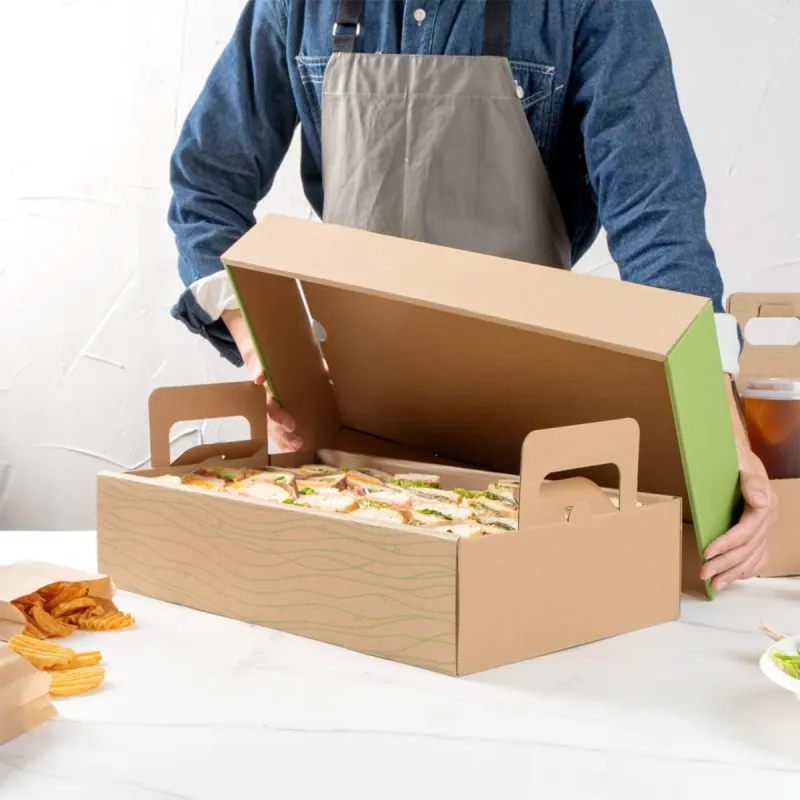
Packaging is bought on unit price because unit price is the number on the invoice. The costs it creates elsewhere — wasted units, remakes, staff time, refunds — appear on entirely different lines, usually attributed to something else. That accounting gap is why under-specified packaging survives in businesses that are otherwise well run.
Where the cost actually lands
Wasted units
Trays that tear at the hand hole, lids that will not seat, boxes that arrive crushed because the board was too light for the stack. Each one is a unit paid for and thrown away, and it happens at the worst moment — during service.
Staff time
Double-bagging because one bag is not strong enough. Adding a second container because the first leaks. Re-plating something that slid. Each is a few seconds, several times a shift, every shift.
Remakes
Food remade because it arrived damaged or leaked. This is the expensive one: the ingredients, the labour, the delivery, and the original packaging, all lost.
Complaints and refunds
Direct cost, plus the review. On a delivery platform, a pattern of packaging-related complaints affects your ranking, which costs orders that never appear as a line item anywhere.
The invisible one
Unbranded packaging on every order, quietly failing to generate the repeat business that branded packaging would. Nobody counts this because there is nothing to count.
A worked comparison
Illustrative figures for a delivery operation running a thousand orders a week. Use your own numbers; the structure is the point.
| Cheaper container | Properly specified | |
|---|---|---|
| Unit price | Lower | A few cents higher |
| Weekly packaging spend | Lower | Slightly higher |
| Leaks and failures per week | Several | Rare |
| Remakes caused by packaging | Several | Rare |
| Staff time on workarounds | Minutes per shift, every shift | None |
| Packaging-related complaints | Regular | Occasional |
| Total weekly cost | Higher once remakes are counted | Lower |
Work out your own number
-
Count the failures for two weeks
Every torn tray, every leak, every remake, every complaint that mentions packaging. A tally sheet by the pass is enough.
-
Price the remakes properly
Food cost plus labour plus the delivery plus the original packaging. Remakes are far more expensive than most kitchens assume.
-
Estimate the staff time
Seconds per workaround, times occurrences, times shifts. It adds up faster than it feels.
-
Compare against the price difference
The upgrade cost is unit price difference times weekly volume. Set that against the total above.
The specifications that pay back fastest
In our experience, three changes account for most of the improvement, and all three are inexpensive. A grease-resistant food-contact face, which eliminates the most visible failure. The correct board grade for the actual load, which eliminates structural failures. And venting on anything closed containing crisp food, which eliminates the most common quality complaint.
None of those is a premium upgrade. They are the difference between packaging specified against the job and packaging specified against a price.
This is not an argument for spending more on packaging. Plenty of buyers over-specify — board graded for weight nobody carries, finishes nobody notices, colours nobody needs. The argument is for specifying against what the packaging actually has to do, which sometimes means spending less.
Quick answers
How do I justify a higher packaging price internally?
Count the failures for two weeks and price the remakes properly, including labour and delivery. The tally sheet does the argument for you, and it is much more persuasive than a supplier’s claim.
Which upgrade pays back fastest?
Usually a grease-resistant food-contact face, because it costs very little and eliminates the most visible failure in food service. Correct board grading and venting follow closely.
Can packaging be over-specified?
Frequently. Board graded for weight nobody carries, laminates nobody notices, colours nobody needs. The goal is to specify against the job — which sometimes means spending less than you currently do.