Food Trays for Catering Companies
Catering packaging has a harder job than restaurant packaging because of the journey.
Read the guide →Custom food packaging · US · UK · Canada · Australia
Industry guides
The right tray for a stadium concourse is not the right tray for a bakery counter, and the reasons have very little to do with the food. These guides set out what each kind of operation actually has to specify — the constraints, the failures, and the formats that answer them.
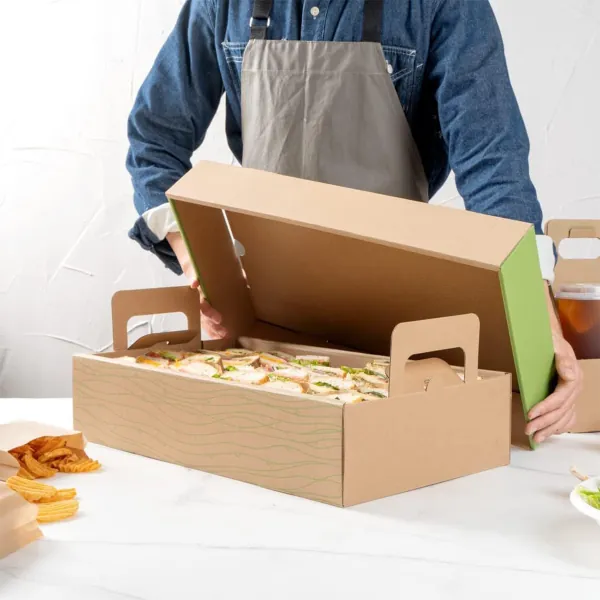
Catering packaging has a harder job than restaurant packaging because of the journey.
Read the guide →
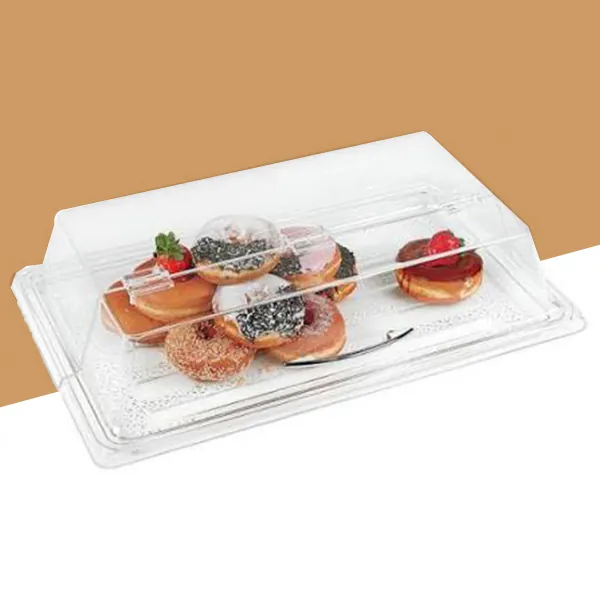
Bakery packaging fails in exactly two ways, and both are predictable.
Read the guide →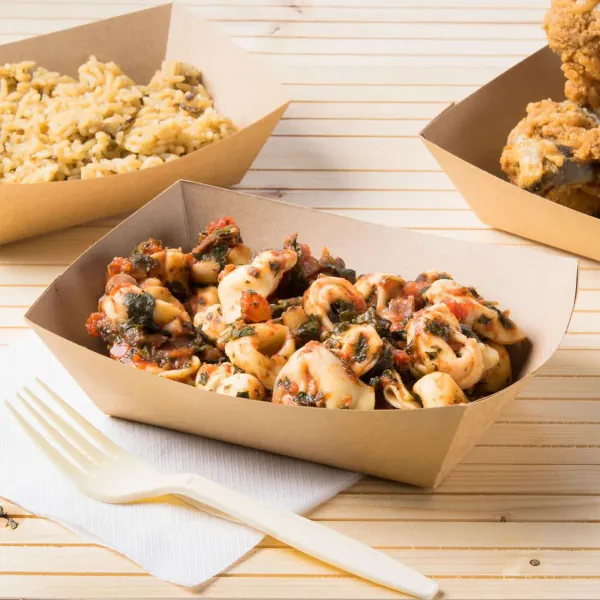
A food truck buys packaging under a constraint nothing else in food service has: storage.
Read the guide →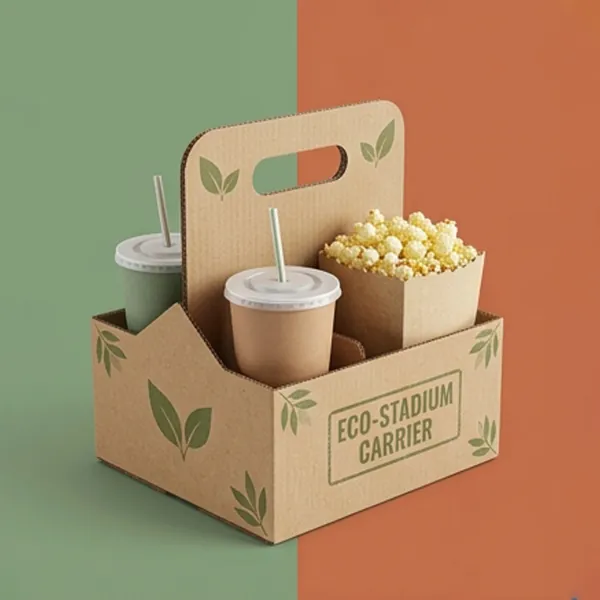
Stadium concessions have a demand profile nothing else in food service matches: essentially nothing for an hour, then more transactions in fifteen minutes than a restaurant does in a night.
Read the guide →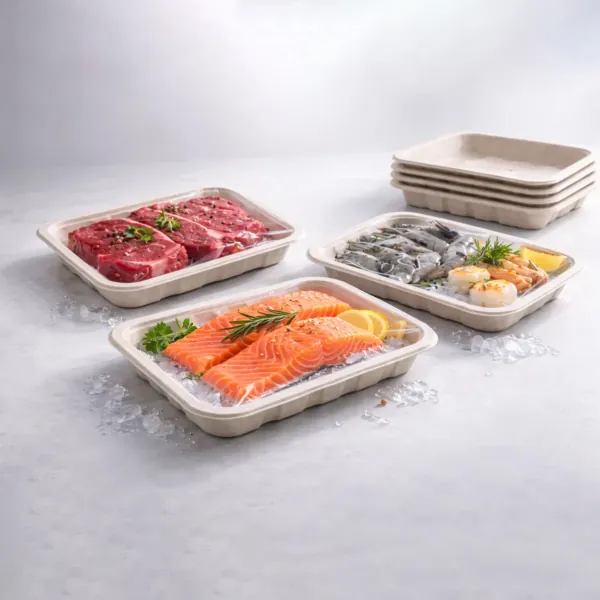
Retail food packaging has a requirement that food service packaging does not: it has to work unattended.
Read the guide →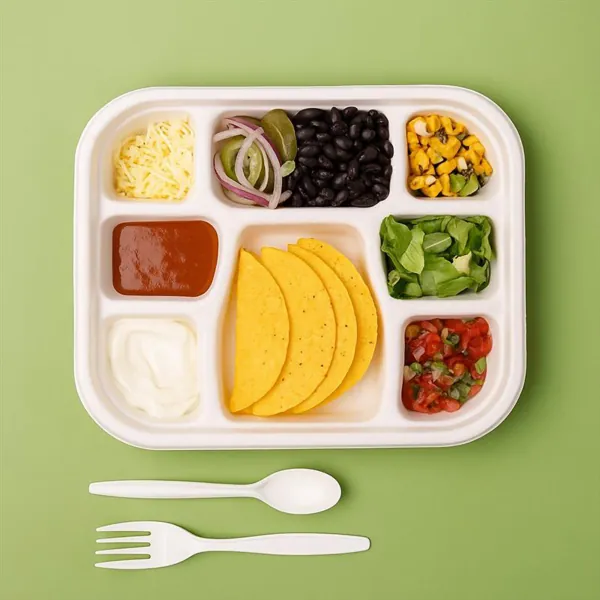
School meal trays are specified against constraints that come from the building rather than the food.
Read the guide →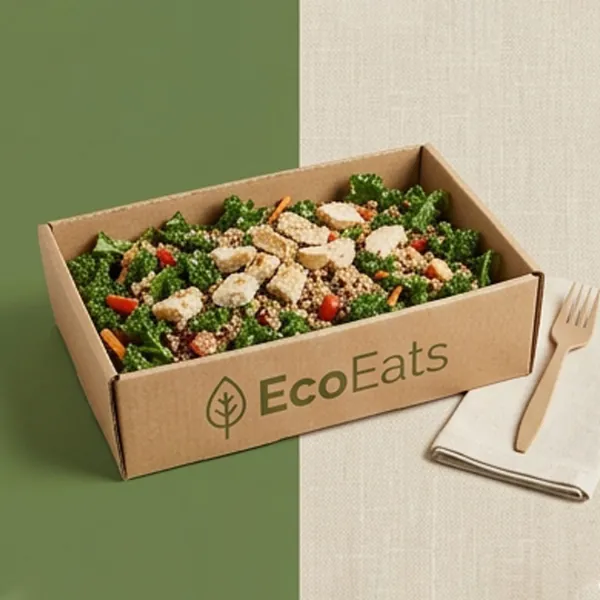
Delivery packaging has to solve a problem the kitchen cannot: twenty minutes between the pass and the table, during which the food continues to cook itself in its own steam, moves around a bag, and cools unevenly.
Read the guide →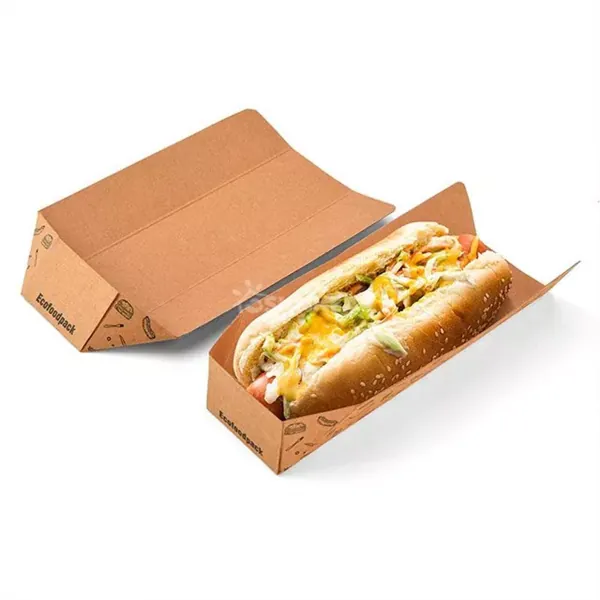
Festival trading compresses a season of business into a handful of weekends, in a field, with no stockroom and often no reliable power.
Read the guide →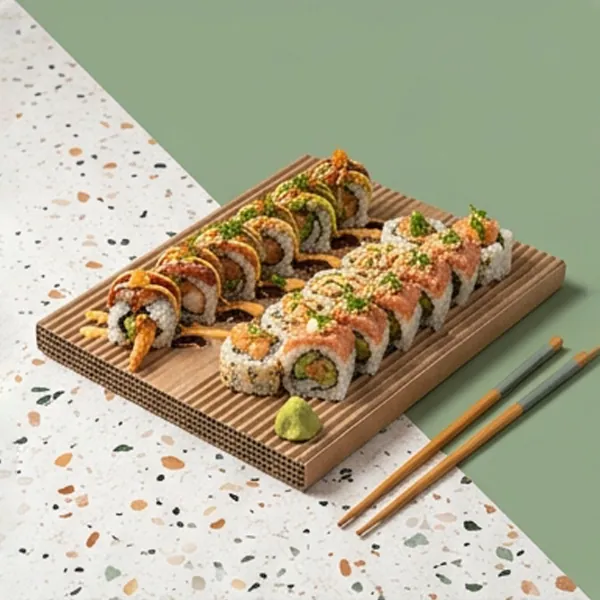
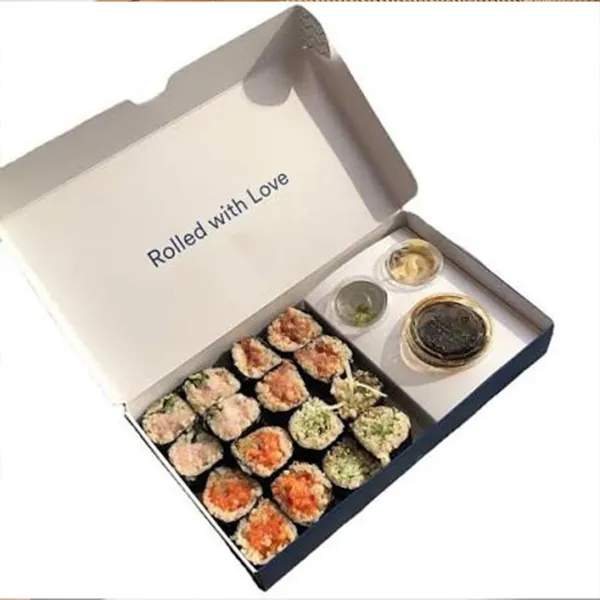
Sushi packaging has two requirements that almost nothing else shares.
Read the guide →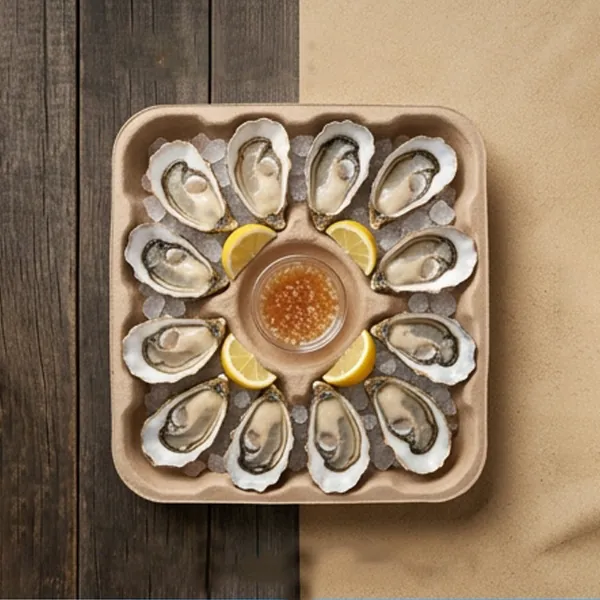
Grazing is one of the few food businesses where the packaging is genuinely part of the product.
Read the guide →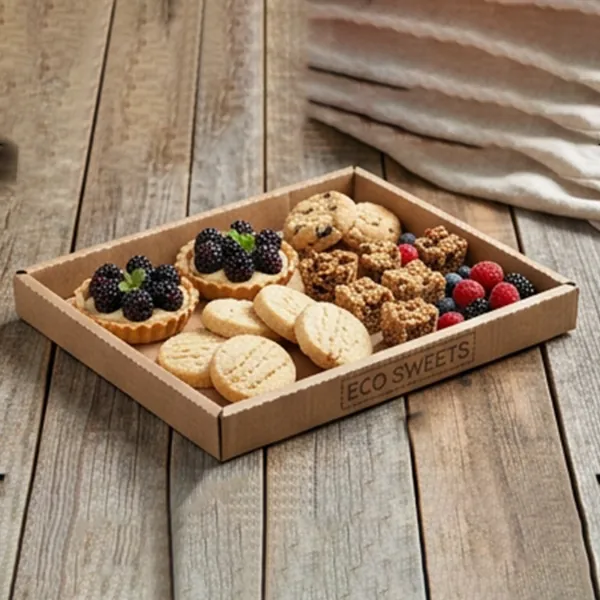
Dessert is the most photographed course, and dessert shops sell disproportionately through images.
Read the guide →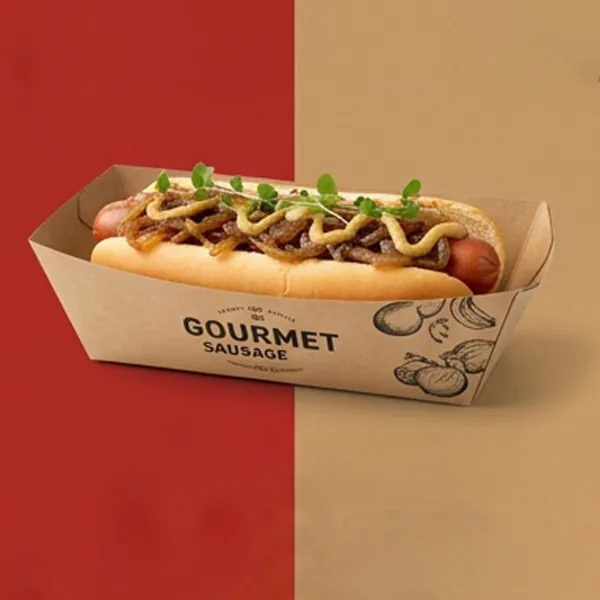
A hot dog stand sells one thing extremely quickly, which makes its packaging decision unusually simple and unusually consequential.
Read the guide →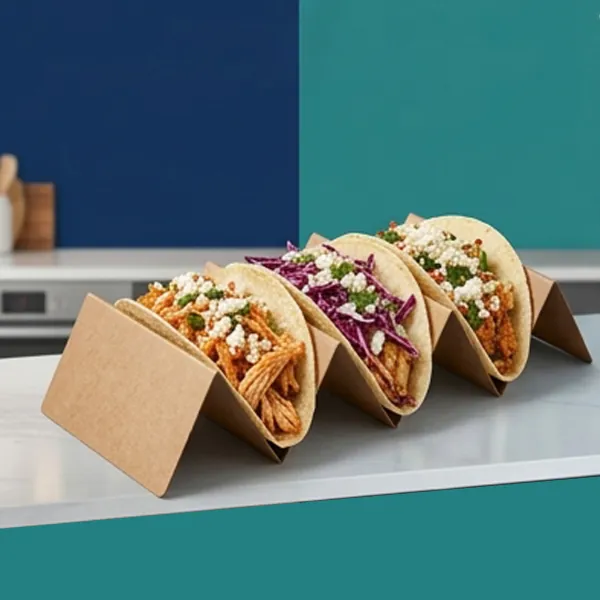
Pick the guide closest to how your food is sold, not what it is. A taco served from a truck faces the storage limits covered in the food truck guide, while the same taco in a supermarket chiller follows the deli and supermarket guide.
The catering guide. It covers building a range from your three highest-volume orders, fixing a footprint family that stacks in a van, choosing a closure per format, header boards for buffets and printing one design across every tray.
Describe the food, the portion and where it is eaten when you send us a food tray request. The range is grouped by job, so most businesses fit one or two existing categories, and the reply recommends a format, usually within one working day. Trays in the range are starting from $0.30 per tray.
Both, if you run delivery. The restaurant guide covers where custom packaging earns most across the dining room, platform orders and sharing items, while the takeout and delivery guide goes deeper on venting, sealing, separation and packing a courier bag.
Sushi restaurants covers base flatness, wet rice and lid fog across sharing platters, takeaway packs and retail chiller packs. Seafood markets covers liquid management, including purge, melting ice and condensation, plus oyster and seafood boil formats.
Food trucks, festivals and events, and hot dog stands. All three deal with limited storage, flat-packed formats and peaked trading, while the festival guide adds wind, rain and print that reads across a crowd, and the hot dog guide focuses on one tray done right.
Yes. School meals covers trays designed from the building inward, starting with servery rails, trolley shelves and tray returns, then rounded corners, grippable rims and reachable compartments for children, and the choice between single-use and returnable trays.
Bakeries covers baking, display and take-home packaging, grease resistance and seasonal ranges. Dessert shops focuses on matte surfaces, inserts and clearance above decoration, where photography and transit damage decide most of the specification.
Stadium concessions, which treats the carrier tray as the highest-leverage item and covers designing for the halftime peak, fill-without-looking formats, one-handed carrying, wet conditions and printed trays as an advertising medium on the concourse.
Yes. Formats from different guides, such as a catering tray and a sandwich platter, can go in one order, each starting from $0.30 per tray, with a minimum order of 100 trays.
These are the operations we are asked about most often, not the only ones we supply. Describe what you do and what you serve, and we will work out the specification from first principles.