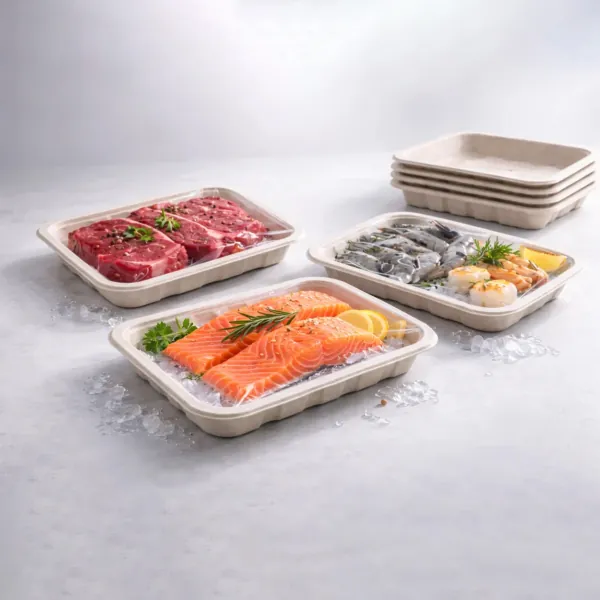
Moulded Pulp Meat Tray
The whole argument for a fibre meat tray is what happens to the liquid.
View tray & get pricing →Custom food packaging · US · UK · Canada · Australia
Industry guide
Seafood packaging is fundamentally about liquid. Fish releases purge, shellfish releases liquor, ice melts, and chilled cabinets generate condensation on every surface. A tray that manages liquid keeps the product looking fresh; one that does not makes good fish look poor.
The second consideration is display. Seafood is bought on appearance more than almost any other fresh category, and the tray is a substantial part of what the customer sees.
Describe the operation and roughly how many trays you get through. We come back with the formats that fit, with pricing — usually within one working day.
On a flat impermeable tray, purge pools under the product and the customer sees a fillet sitting in liquid. On a ribbed fibre tray, the same purge runs into the channels below the product and is absorbed into the material. The amount of liquid is identical; what changes is whether it is visible.
That is the entire commercial case for fibre in a fish counter, and it is why absorbent fibre trays have taken so much retail shelf space from flat plastic.
Ribbed fibre trays with a rim profile matched to your film sealing equipment. The rib depth changes for delicate fish, which marks more easily than red meat.
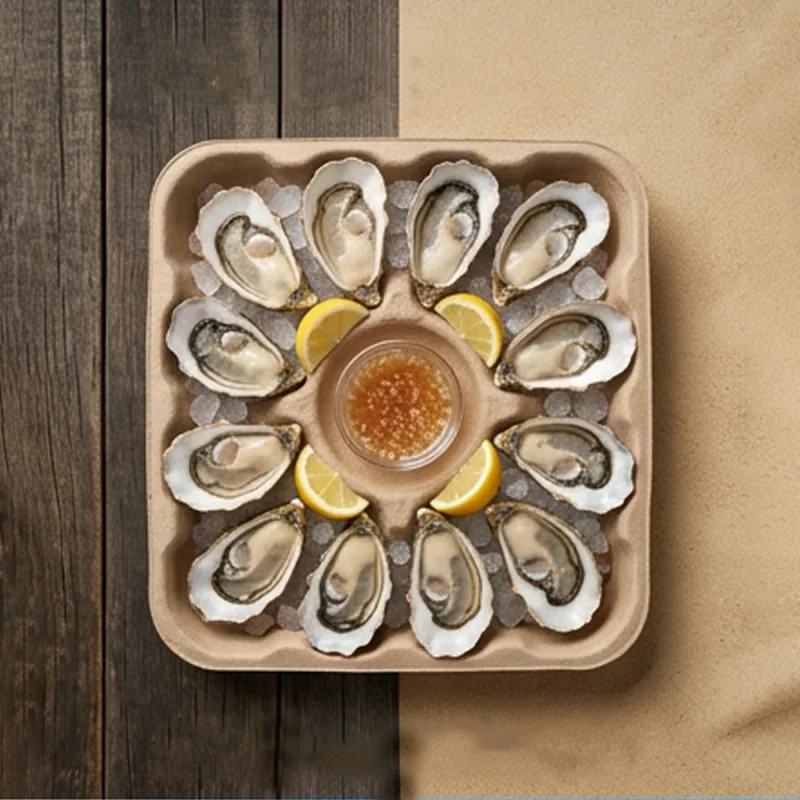
Formed recesses that hold each shell level, because a shell that tips loses its liquor.
Ring platters with a centre sauce well for prawns and cold seafood selections.
Barriered corrugated trays for hot, wet, heavy service.
| Issue | What to specify |
|---|---|
| Purge pooling | Ribbed base plus absorbent fibre |
| Condensation on the lid | Pack fully chilled; anti-fog film if it persists |
| Board softening over shelf life | Moisture-resistant face on the food-contact surface |
| Barcode scanning | Flat label panel with a clear quiet zone |
| Stacking in the cabinet | Lid specified to carry the stack load |
Picked for the specific demands described above rather than as a general list.
The whole argument for a fibre meat tray is what happens to the liquid.
View tray & get pricing →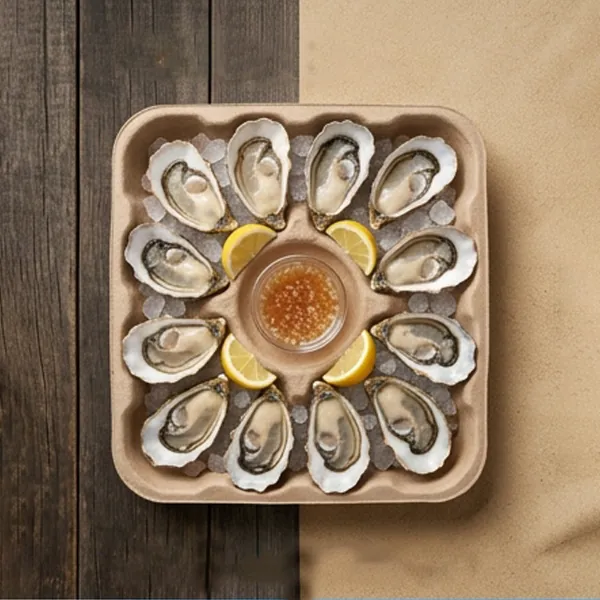
Oysters on the half shell have one packaging requirement above all others: they must stay level.
View tray & get pricing →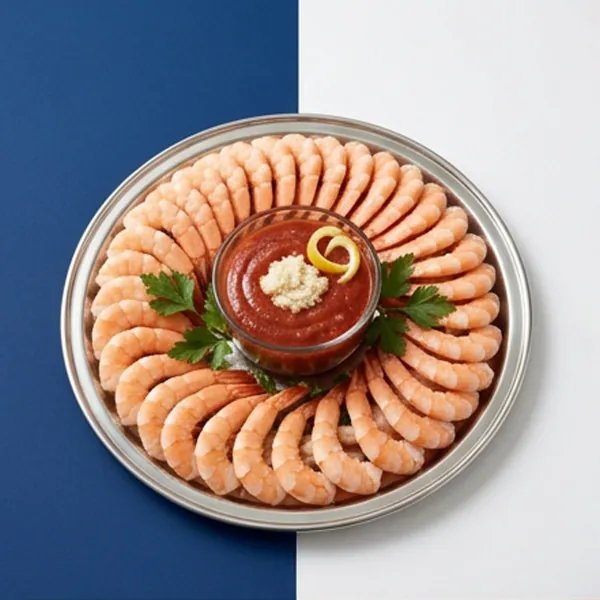
The shrimp platter is one of the most instantly recognisable formats in food retail: a ring of prawns arranged tail-inward around a central pot of cockt…
View tray & get pricing →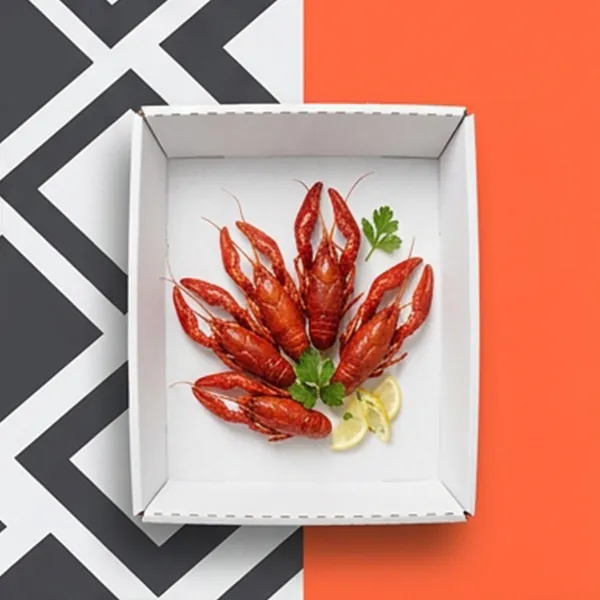
A crawfish tray carries several pounds of hot, wet, seasoned shellfish, often with corn and potatoes, straight out of a boil.
View tray & get pricing →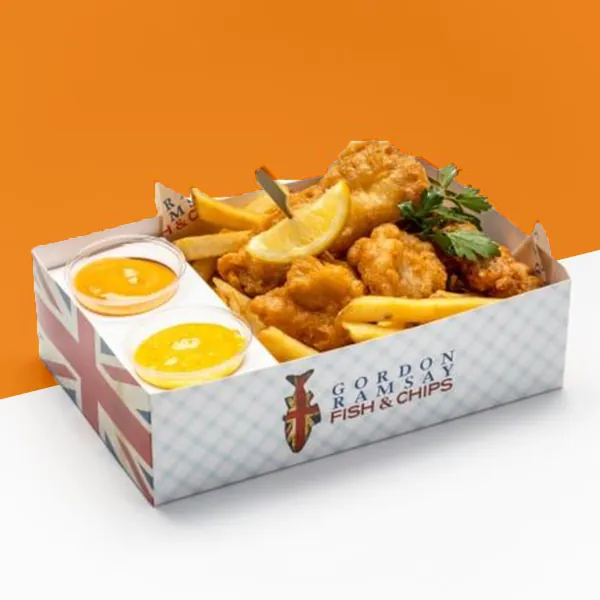
Fish and chips is the hardest test a board tray faces.
View tray & get pricing →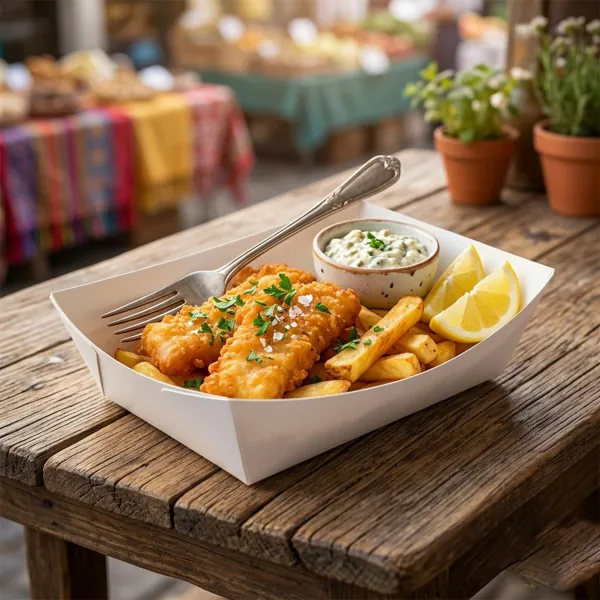
The white paper food tray is the same shape as the kraft version with a different surface underneath.
View tray & get pricing →Because of where the liquid goes. A ribbed fibre tray lifts the fillet clear of released purge and absorbs it, so the customer sees a drier product. The volume of liquid is the same; its visibility is not.
Where specified for that application, yes, and we confirm the food-contact specification in writing. Raw chilled seafood is demanding, so we state the specification rather than giving a general assurance.
For a service period with a proper barrier, yes. For hours, ice becomes standing water, which is the hardest condition there is for board or fibre. Tell us the duration and we will specify honestly.
Formed recesses sized to your shell range. Send a dozen shells across your normal grades — we size so the smallest sits securely and the largest still fits, which is different from taking an average.
Yes, with a rim profile matched to your sealing tooling. Send the machine details and a current tray so we design around equipment you already own rather than requiring new tooling.
Plan the label panel before artwork. Chilled seafood is heavily regulated and the allergen, date-marking and weight requirements differ between the US, UK, Canada and Australia.
Slightly — it is a natural material and shade drifts a little between production runs. If the tray is visible around the product and consistency matters commercially, tell us and we will tighten the specification.
That is a different specification again — hot, wet and heavy all at once. It needs a genuine moisture barrier and a heavier board. See the crawfish tray for how we build for it.
Send the food, the volumes and the country you take delivery in. We reply with formats, material options and a full quote including freight.