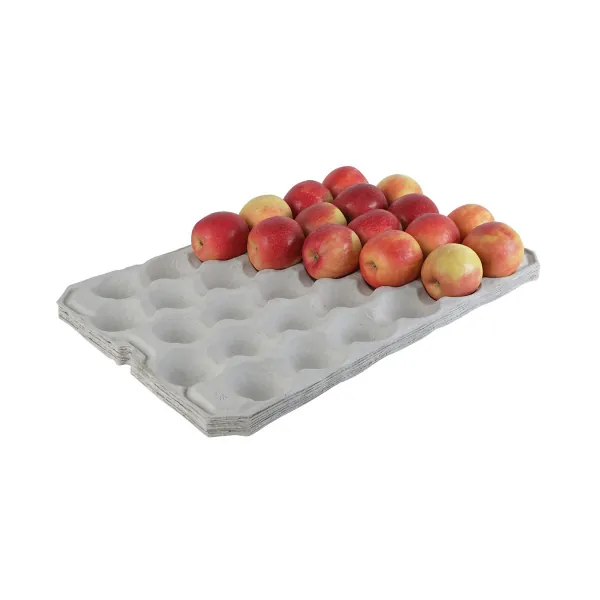
Compostable & Molded Fiber Trays
Moulded Pulp Meat Trays
- Absorbs free liquid
- Film-seal compatible
- Chiller ready
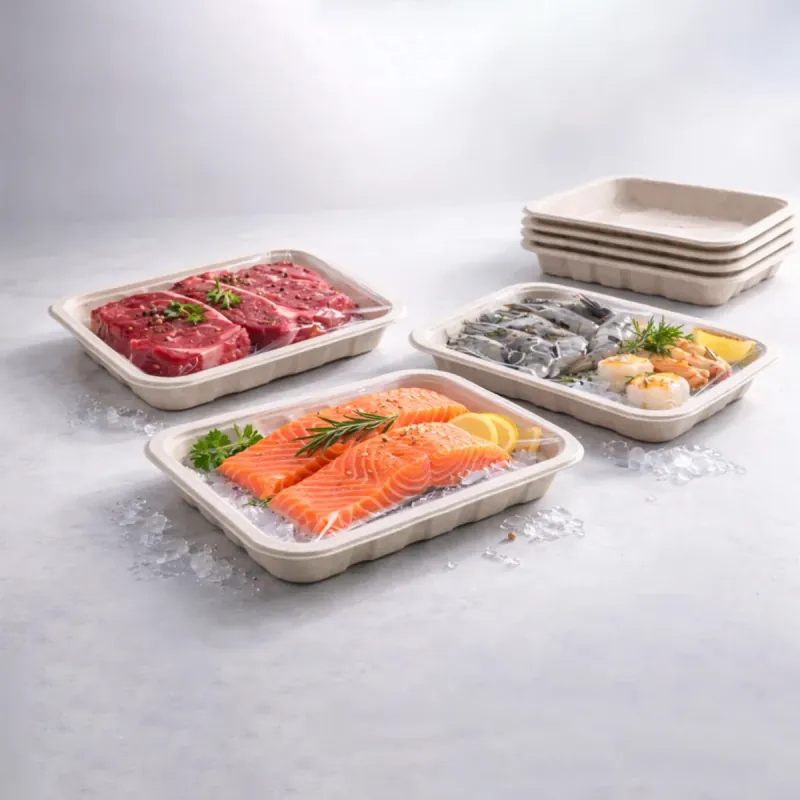
The whole argument for a fibre meat tray is what happens to the liquid. A steak or a fillet releases purge over its shelf life, and where that liquid goes determines whether the pack looks fresh on day three or looks unappealing on day one.
A plastic tray pools it under the product. A fibre tray with a ribbed base lifts the product clear and absorbs the liquid into the material, which is why the format has taken so much retail shelf space.
- Ribbed base that lifts the cut clear of released liquid
- Absorbent fibre that takes up purge rather than pooling it
- Rim profile matched to your film sealing equipment
- Sized to your cuts and your retail case layout
Pricing starts from $0.30 per tray
The unit price depends on the size, board, printing, finishing, quantity and delivery country, so every quote is worked out for your specification rather than taken from a list.
Get pricing for moulded pulp meat trays
Send the size and the run length. We reply with pricing, material options and a production date — usually within one working day.
01 — Specification
Specification at a glance
Every element below is set when we quote. Nothing here is a fixed catalogue entry — if a line does not match what you need, say so and we will change it.
- Base
- Ribbed or channelled to lift the product clear
- Absorbency
- Fibre absorbs purge; barrier options where required
- Rim
- Profile matched to your sealing tooling
- Sizes
- Cut to your product weights and case layout
- Labelling
- Flat rim area for barcode and legal panel, or applied label
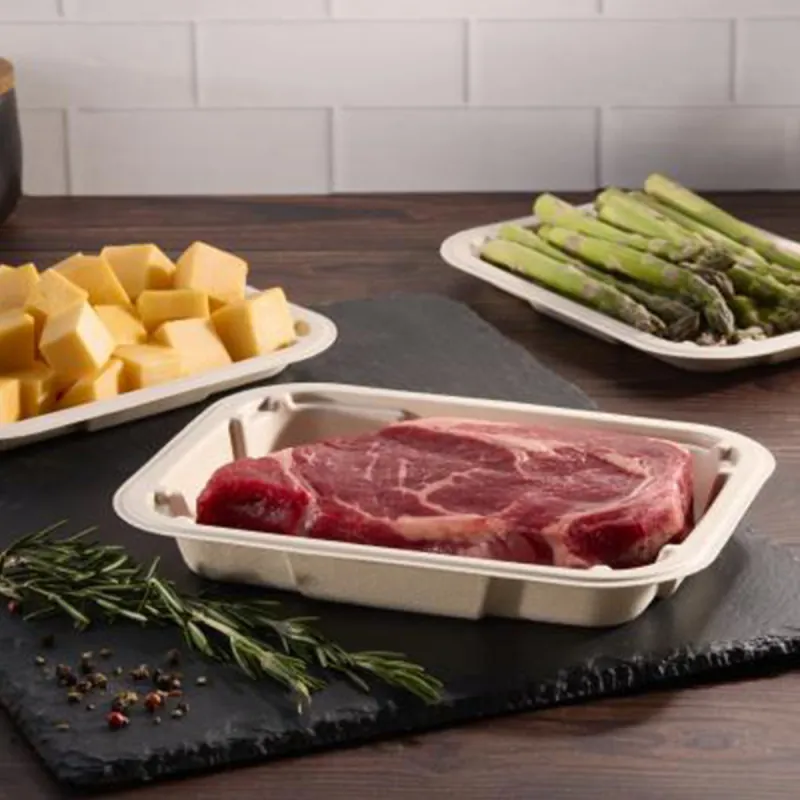
02 — Build the spec
Design this tray in five steps
The same five questions we would ask on a phone call, with the moulded pulp meat tray already selected. You get a properly detailed brief at the end, which is what makes a first quote accurate rather than approximate.
Prefer the full builder with a live sketch? Open the tray designer.
03 — In detail
Purge is the whole design problem
Every cut of meat and fish releases liquid over time. How much depends on the cut, the processing and the temperature history. What the packaging determines is whether the customer sees it.
A ribbed base creates a channel below the level of the product, so liquid runs off the meat rather than sitting against it. Absorbent fibre then takes that liquid up. The combination is why a fibre-packed cut looks drier and fresher on the shelf than the same cut on a flat impermeable tray, even though the amount of purge is identical.
Tray specification by product
| Product | Base | Note |
|---|---|---|
| Steak and portioned red meat | Deep ribs | High purge; ribs need real depth to keep the cut clear |
| Poultry portions | Ribs plus absorbency | Higher liquid volume than red meat by weight |
| Whole fish and fillets | Shallow ribs | Delicate surface; deep ribs can mark the flesh |
| Mince and ground meat | Flat with absorbent base | No cut to lift; absorbency does the work |
| Cured and cooked meats | Flat | Low purge; the tray is presentational |
Retail requirements to design in from the start
- A flat area on the rim for the barcode, or a defined position for an applied label.
- A rim profile that matches your existing sealing tooling, not a generic one.
- Case fit — how many trays across a standard retail case, without a wasted strip.
- Stack behaviour in transit, if trays are shipped sealed rather than packed at store.
- Consistency of colour between production runs, if the tray is visible around the product.
Switching from plastic
Most enquiries for this product are a switch from a plastic tray rather than a new line. That makes the sealing equipment the constraint: the rim profile has to work with tooling you already own, or the changeover becomes a capital project instead of a packaging change.
Send us the tray you use now and the sealing machine details. We design the fibre tray around your existing equipment where it is possible, and tell you clearly where it is not, rather than discovering it at trial stage.
04 — Nearby
Trays that work alongside this one
Chosen because operators who buy the moulded pulp meat tray usually need one of these in the same order, not because they happen to sit in the same category.
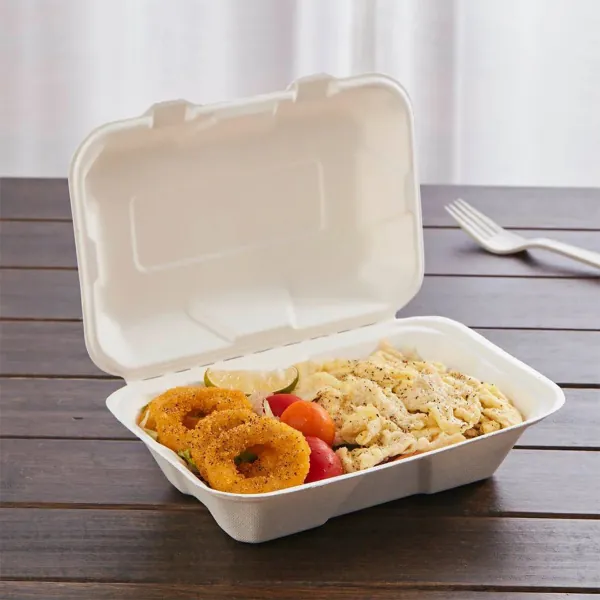
Compostable Food Tray
Moulded fibre trays are formed by pressing wet pulp against a heated tool.
View tray & get pricing →
Moulded Pulp Egg Flat
The egg flat is the oldest moulded fibre product still in daily use, and it has barely changed because the design was right the first time.
View tray & get pricing →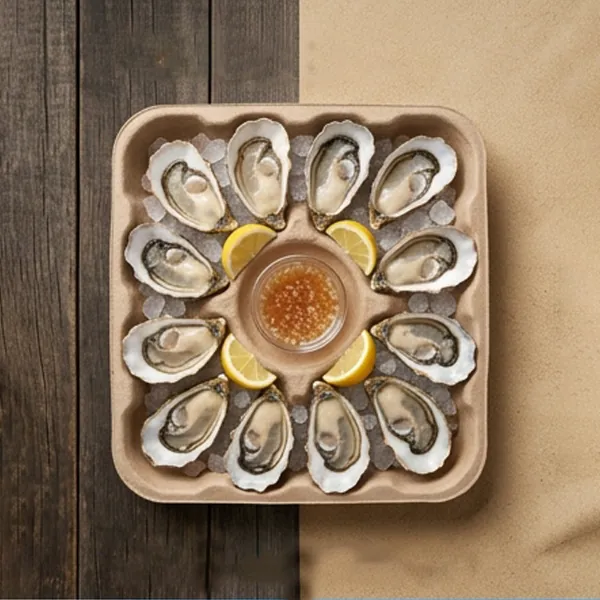
Oyster Serving Tray
Oysters on the half shell have one packaging requirement above all others: they must stay level.
View tray & get pricing →05 — Questions
Moulded Pulp Meat Tray questions
Do fibre meat trays really keep the product looking fresher?
They change where the liquid sits. A ribbed base lifts the cut clear of released purge and the fibre absorbs it, so the customer sees a drier product. The amount of purge is unchanged; its visibility is not.
Will the tray hold up over a full shelf life?
With the right grade and, where needed, a barrier treatment, yes. Tell us the product, the pack weight and the shelf life you are working to, and we will specify against those rather than a general case.
Can these trays be film sealed?
Yes, and the rim profile has to match your tooling. Send the machine details and a current tray — designing to your existing equipment is what makes a switch from plastic straightforward rather than a capital project.
Are they suitable for raw fish?
Where specified for that application, yes. Fish is more delicate than red meat, so we usually specify shallower ribs to avoid marking the flesh. Raw seafood is a demanding food-contact application and we confirm the specification in writing.
Can the tray be printed?
Only in a limited way — the surface is absorbent and textured. Retail meat packs almost always use an applied label carrying the barcode, weight, price and legal information, which is the practical route here.
How do I size the tray to my cuts?
By pack weight and cut dimensions, then checked against your retail case layout. Send us the range of cuts and the case, and we will size so you get a whole number of trays across the shelf.
Will the tray colour vary between orders?
Slightly. Fibre is a natural material and shade drifts a little between production runs. If the tray is visible around the product and consistency matters, tell us and we will tighten the specification, which has a cost implication.
Do these work for mince and ground meat?
Yes, usually with a flat absorbent base rather than deep ribs, because there is no cut to lift clear. The absorbency is doing the whole job in that case.
What is the lead time for a custom tray?
Fibre tooling takes longer than a board die. For a retail launch with a fixed date, start the conversation early. We may be able to trial on an existing tool with a similar footprint while yours is made.
Before you order, read
- Compostable Food Tray Material Guide — What fibre trays are made of, and what you may honestly claim.
- Food Tray Materials Explained — Kraft, corrugated, moulded fibre and rigid board compared honestly.
Who buys this tray
Ready to price the moulded pulp meat tray?
Send the dimensions, the quantity and the country you want it delivered to. We come back with a full quote — material, print, finishing, freight and a production date.