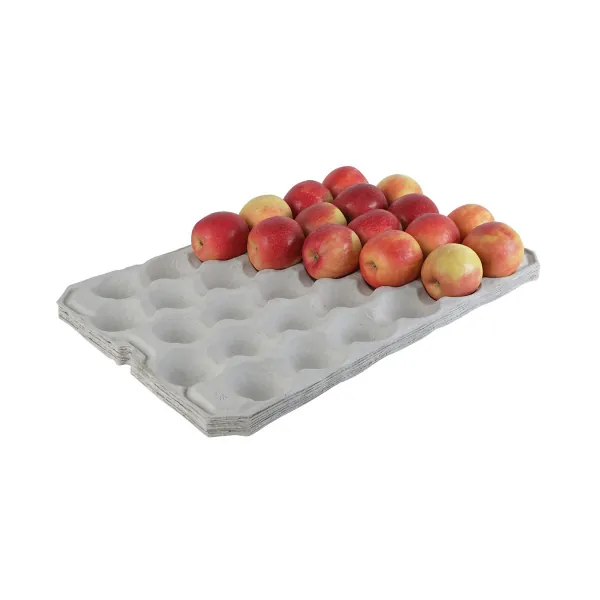
Compostable & Molded Fiber Trays
Kraft Fruit Trays
- Formed fruit pockets
- Kraft and dyed finishes
- Case compatible
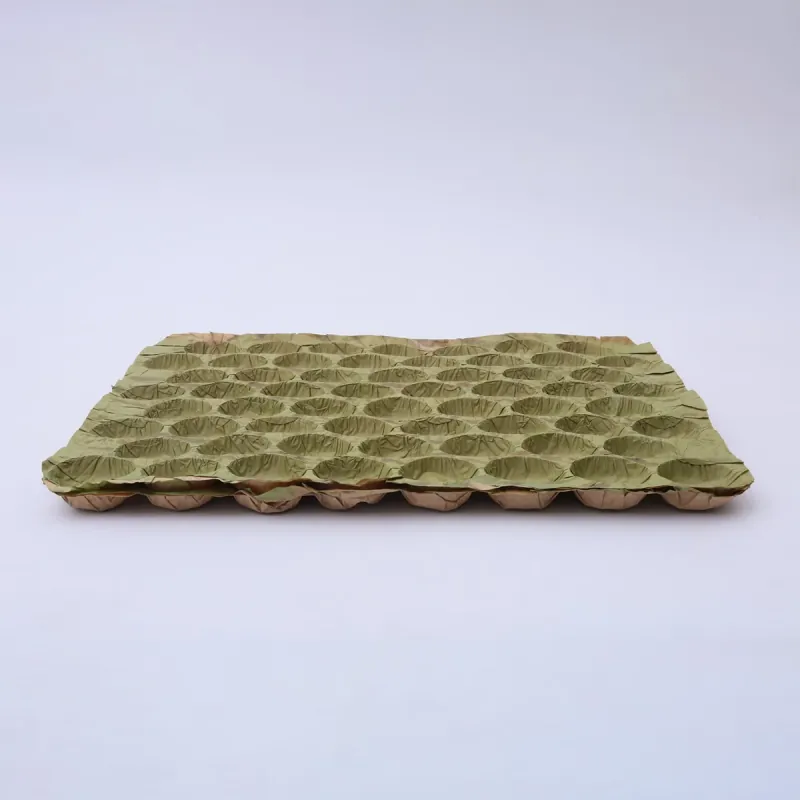
This is the pocketed fibre tray used to move and display fruit, made in a warm kraft tone rather than the grey of a standard pulp tray. The colour is not cosmetic vanity — a kraft-toned tray reads as premium on a shop floor and photographs better in a retail display than a grey one.
Functionally it does the same job as any pocket tray: separate each piece, absorb impact, and let the fruit breathe.
- Warm kraft tone that suits shop-floor display
- Pockets formed to your grade so fruit seats properly
- Fibre cushioning that protects soft-skinned produce
- Nests empty and stacks loaded
Pricing starts from $0.30 per tray
The unit price depends on the size, board, printing, finishing, quantity and delivery country, so every quote is worked out for your specification rather than taken from a list.
Get pricing for kraft fruit trays
Send the size and the run length. We reply with pricing, material options and a production date — usually within one working day.
01 — Specification
Specification at a glance
Every element below is set when we quote. Nothing here is a fixed catalogue entry — if a line does not match what you need, say so and we will change it.
- Pockets
- Formed to your fruit size; counts to your case standard
- Finish
- Kraft tone; other dyed finishes available
- Stacking
- Loaded trays stack with the fruit cushioned between layers
- Sizes
- Matched to standard produce cases or cut to your own
- Display
- Can go from transit case straight to shelf
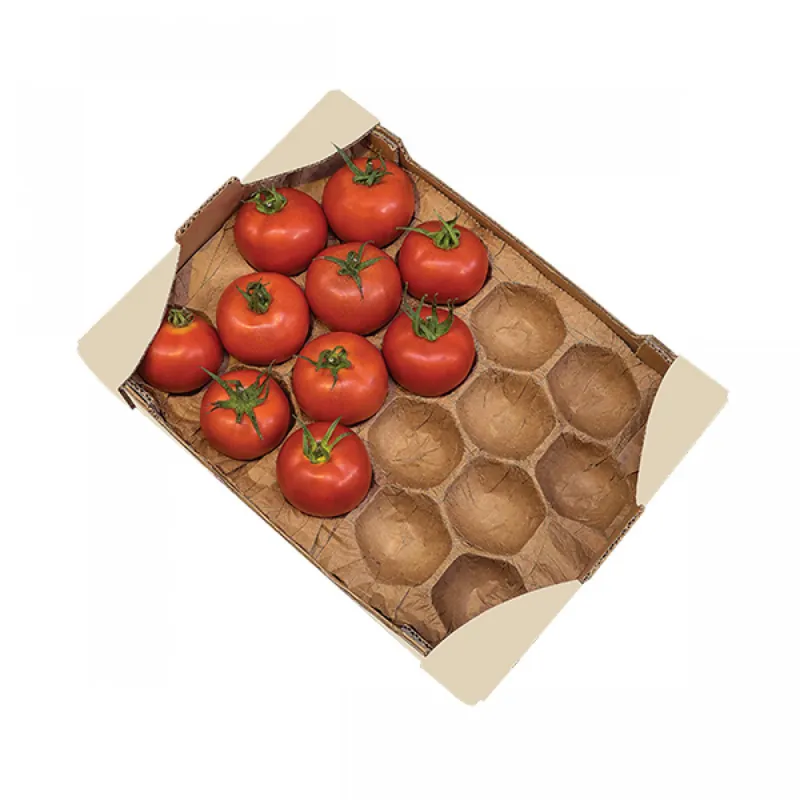
02 — Build the spec
Design this tray in five steps
The same five questions we would ask on a phone call, with the kraft fruit tray already selected. You get a properly detailed brief at the end, which is what makes a first quote accurate rather than approximate.
Prefer the full builder with a live sketch? Open the tray designer.
03 — In detail
Transit tray or display tray?
Most pocket trays are specified purely for transit — they never leave the case. A kraft-toned tray is usually bought because it will be seen: the case is opened on a shop floor and the tray becomes the display.
That changes two things. The rim needs to look clean rather than merely functional, because it frames the fruit. And the tray colour needs to flatter the produce, which is why kraft works for apples, citrus and stone fruit and less well for green produce.
Specification points
Pocket diameter
Sized to the largest fruit in your grade. A piece that sits proud gets crushed by the tray above; one that sits loose rolls but is not damaged. Size for the large end.
Pocket depth
Deep enough to support the fruit below its widest point. Any shallower and it rolls out when the tray is tilted for display.
Case fit
Trays almost always ship inside a case. Confirm the case dimensions first so the tray divides the space without a wasted strip.
Stack height
How many loaded trays go on top of each other. This determines the fibre weight, and getting it wrong shows up as crushed fruit at the bottom of a pallet.
Which fruits suit a pocket tray
| Fruit | Suits a pocket tray? | Note |
|---|---|---|
| Apples and pears | Very well | The original application; the pockets do exactly what they were designed for |
| Citrus | Well | Tougher skin, so pockets can be shallower and the tray lighter |
| Tomatoes | Well, with shallow pockets | Soft skin marks under pressure; spread the contact area |
| Stone fruit | Well, with deeper pockets | Bruises at the shoulders; needs support below the widest point |
| Berries | No | Too small for pockets; use punnets in a shallow tray instead |
| Bananas | No | Wrong shape entirely; ships in ventilated cases |
04 — Nearby
Trays that work alongside this one
Chosen because operators who buy the kraft fruit tray usually need one of these in the same order, not because they happen to sit in the same category.
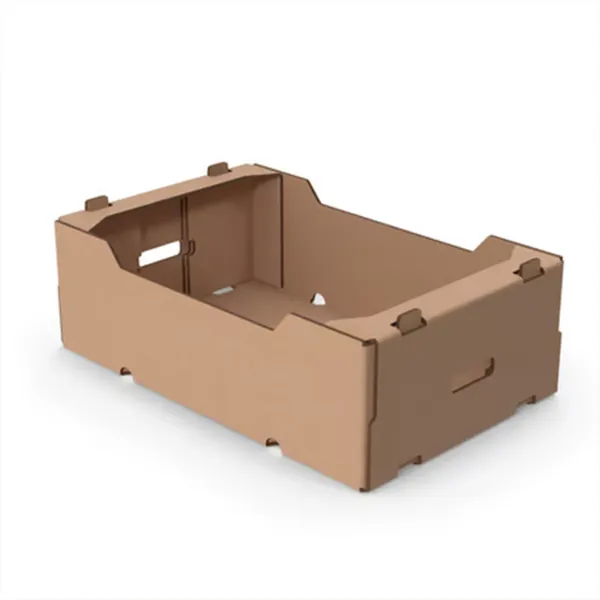
Corrugated Veggie Platter
Vegetables need two things from a tray that most food packaging does not have to provide: airflow and stack strength.
View tray & get pricing →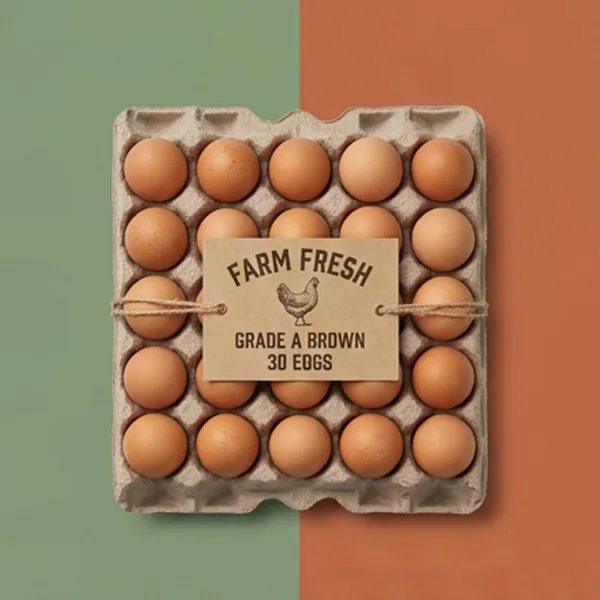
Moulded Pulp Egg Flat
The egg flat is the oldest moulded fibre product still in daily use, and it has barely changed because the design was right the first time.
View tray & get pricing →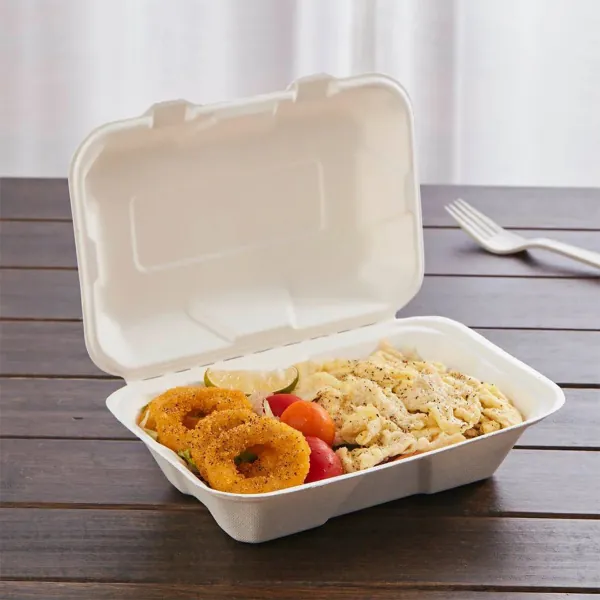
Compostable Food Tray
Moulded fibre trays are formed by pressing wet pulp against a heated tool.
View tray & get pricing →05 — Questions
Kraft Fruit Tray questions
Is this different from a standard pulp produce tray?
Functionally it is the same product; the difference is the kraft tone, which matters when the tray is seen on a shop floor rather than only inside a case. If the tray never leaves the case, a standard grey pulp tray does the same job for less.
How do I size the pockets?
To the largest fruit in your grade. Fruit that sits proud of the pocket gets crushed by the tray above; fruit that sits a little loose is not damaged, just mobile. Always size for the large end of your range.
Can the tray go straight onto a shop shelf?
That is usually why a kraft-toned tray is specified. If display is the intention, tell us — a display tray benefits from a cleaner rim and sometimes a printed band, which a pure transit tray does not need.
Will kraft flatter my produce?
It works well for apples, citrus and stone fruit, where the warm tone complements the fruit colour. It works less well for green produce, where the contrast is weak. Photograph your own fruit on a sample before committing.
Do these trays fit standard produce cases?
We match standard case footprints so trays divide the case cleanly, or we cut to your own case. Send us the case dimensions and how many trays per layer you want.
How many loaded trays can be stacked?
Determined by the fibre weight we specify. Tell us your stack height and pallet pattern and we will build in margin — crushed fruit at the bottom of a pallet is an expensive way to discover an under-specified tray.
Can these be printed?
Only simply, as with any moulded fibre. A printed band across the tray, or a label on the rim, is the practical branding route and works well for display trays.
Are they suitable for berries?
No — berries are too small for a pocket tray. They travel in punnets, which can sit in a shallow fibre tray for handling. Tell us the punnet dimensions and we will size a carrier tray for them.
Before you order, read
- Compostable Food Tray Material Guide — What fibre trays are made of, and what you may honestly claim.
- How to Measure a Food Tray — The measurements to send a supplier, and how to take them correctly.
Who buys this tray
Ready to price the kraft fruit tray?
Send the dimensions, the quantity and the country you want it delivered to. We come back with a full quote — material, print, finishing, freight and a production date.